If you are thinking about selling in Jordan Park, this is not a market where you want to wing it. Buyers are moving quickly, expectations are high, and the right strategy can shape both your final price and the kind of terms you receive. When you understand how today’s buyers are shopping in this part of San Francisco, you can position your home with more confidence. Let’s dive in.
Why Jordan Park stands out
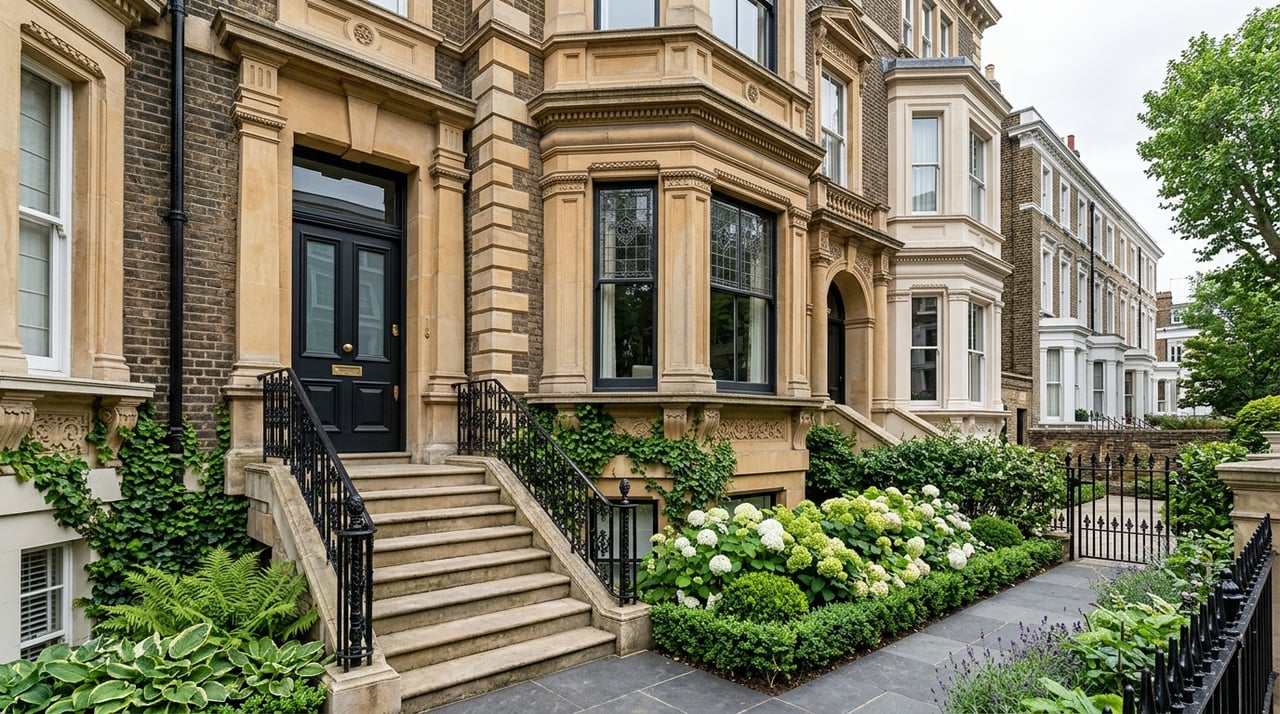
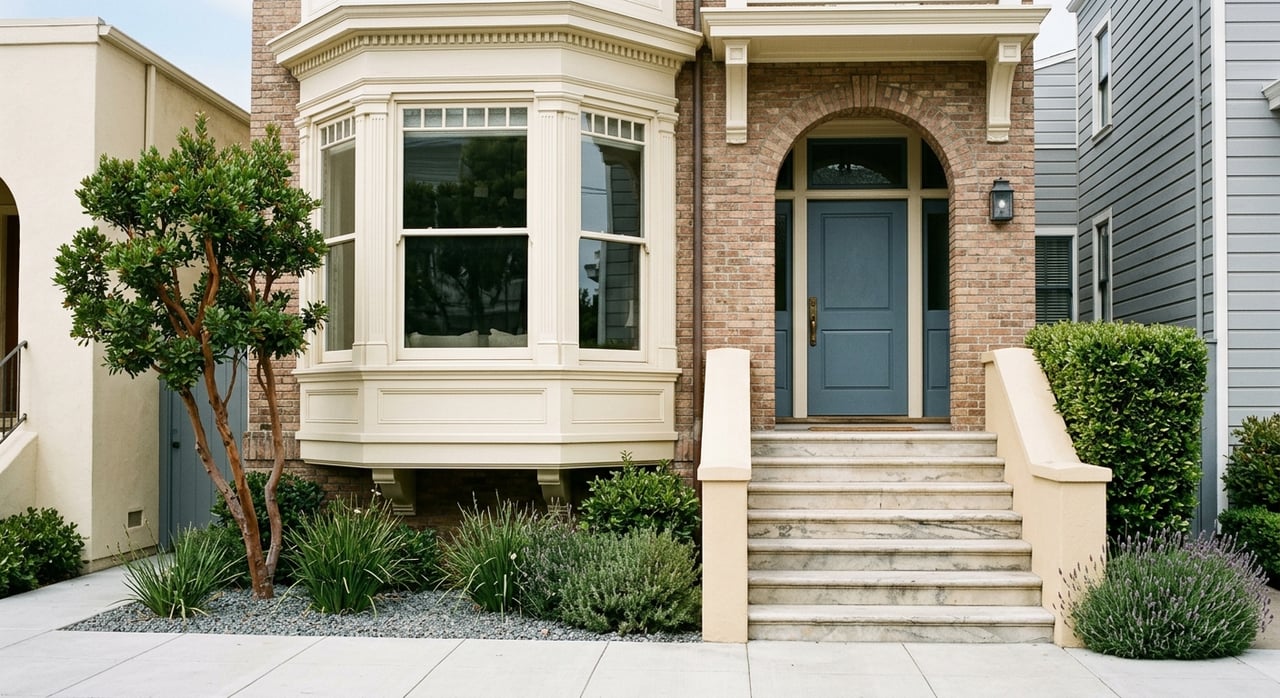
Jordan Park sits in a part of San Francisco that offers a rare mix of calm residential character and everyday convenience. The area is known for tree-lined streets, historical homes, and access to parks, while still offering practical city connections, including about a 22-minute drive to the Financial District and about 20 minutes to SoMa.
That balance matters because buyers are not just purchasing square footage. They are often looking for a home that supports daily life, offers a quieter setting, and still keeps them connected to the city. Redfin also gives the neighborhood a 96 Walk Score, 70 Transit Score, and 79 Bike Score, which reinforces that appeal.
Today’s market favors prepared sellers
Jordan Park and nearby Laurel Heights remain a high-price, competitive submarket. Redfin reports a March 2026 median sale price of $2,125,000, up 7.1% year over year, with a median of 25 days on market in that monthly snapshot and only 3 closed sales.
The longer-run pattern is even more telling. Over the last 12 months, Redfin says homes in the neighborhood sold for about 11% above list price on average and went pending in around 12 days. In a market like that, buyers notice presentation, pricing discipline, and disclosure quality right away.
The broader San Francisco market also supports a strong seller outlook. Redfin reports a March 2026 citywide median sale price of $1,687,500, with homes selling in 14 days on average and receiving about 4 offers. SFAR’s March 2026 MLS report for single-family homes shows a median sales price of $2,150,000, 1.0 month of supply, and 85.0% of properties selling over list price.
Who is buying in Jordan Park
Your likely buyer is often not a random out-of-town shopper. Redfin’s migration data shows that in late 2025, 75% of San Francisco homebuyers searched to stay within the metro area. That points to a meaningful local buyer base made up of people who already understand the value of this location.
Many buyers are drawn to Jordan Park because it offers space, quiet streets, park access, and a more residential feel without giving up city access. Statistical Atlas also shows the neighborhood has a slightly higher share of households with children than San Francisco overall, along with a higher share of married households.
That does not mean every buyer fits one mold. It does mean your marketing should speak clearly to how the home lives day to day, not just how it photographs.
What today’s buyers want to see
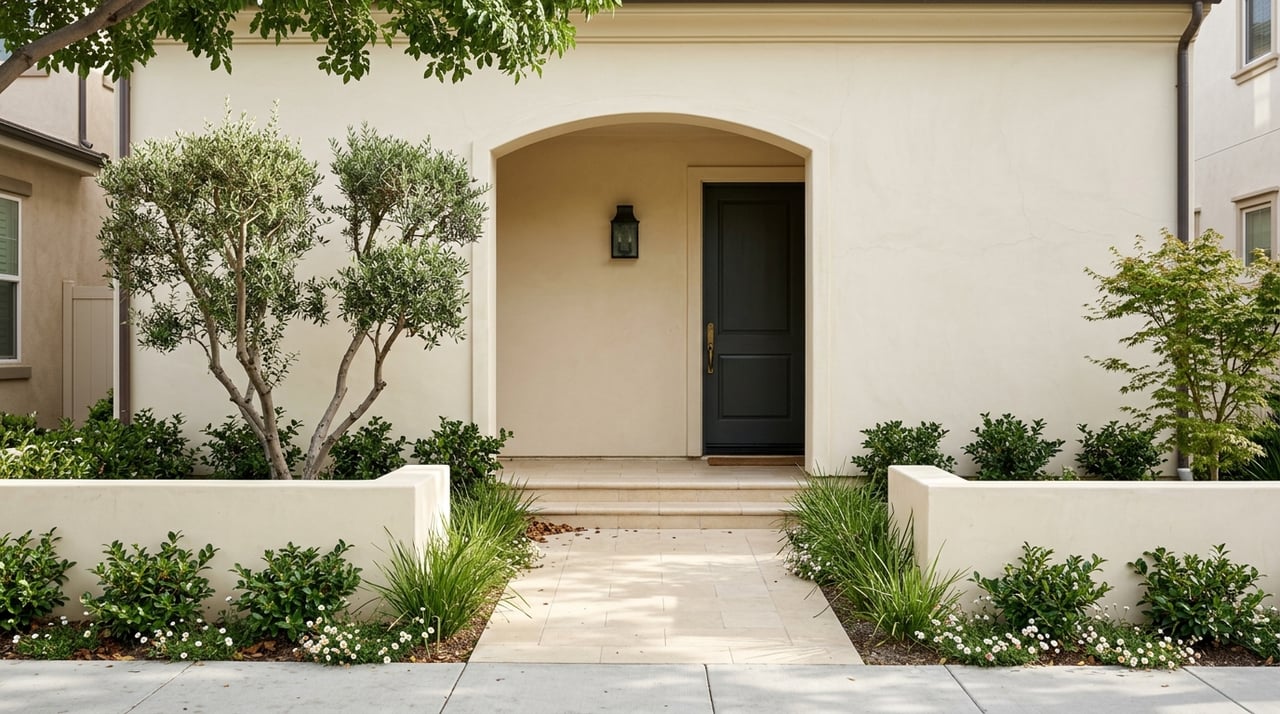
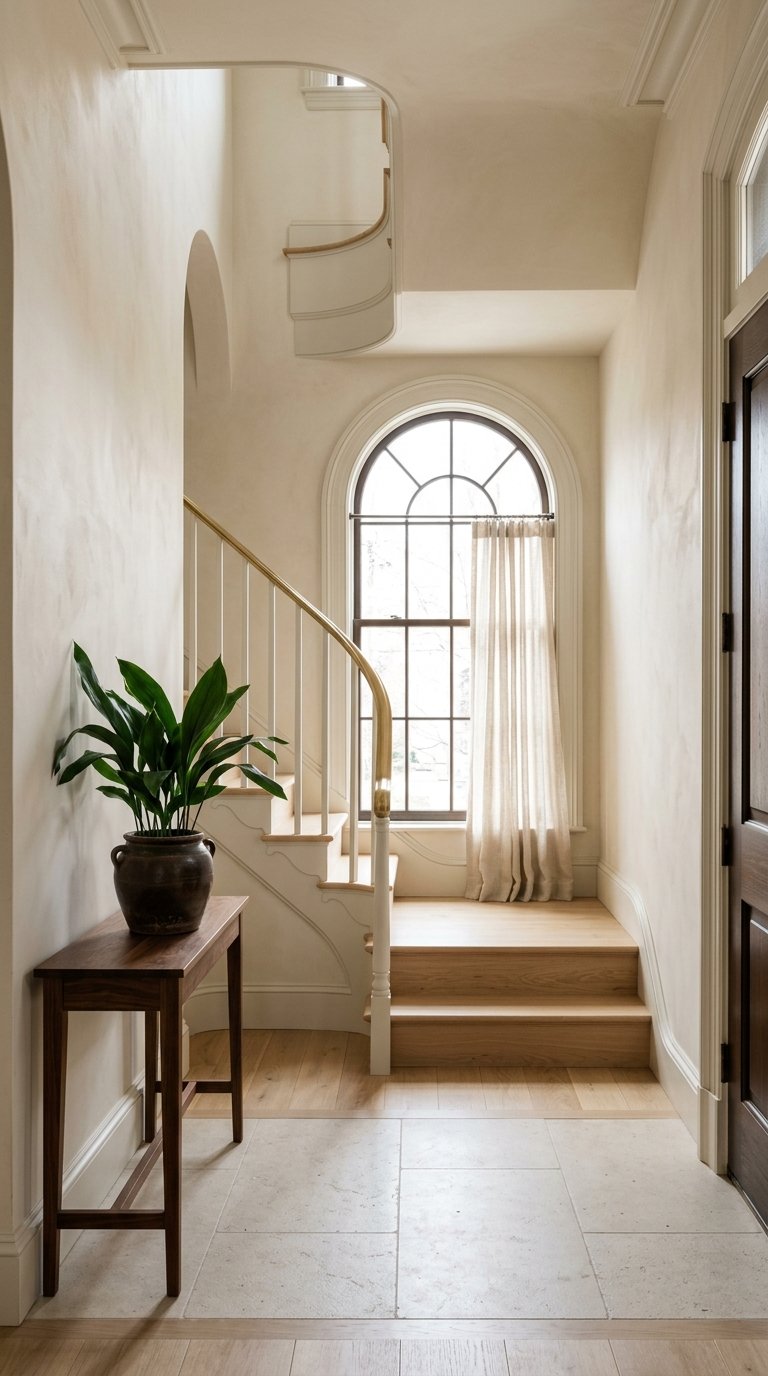
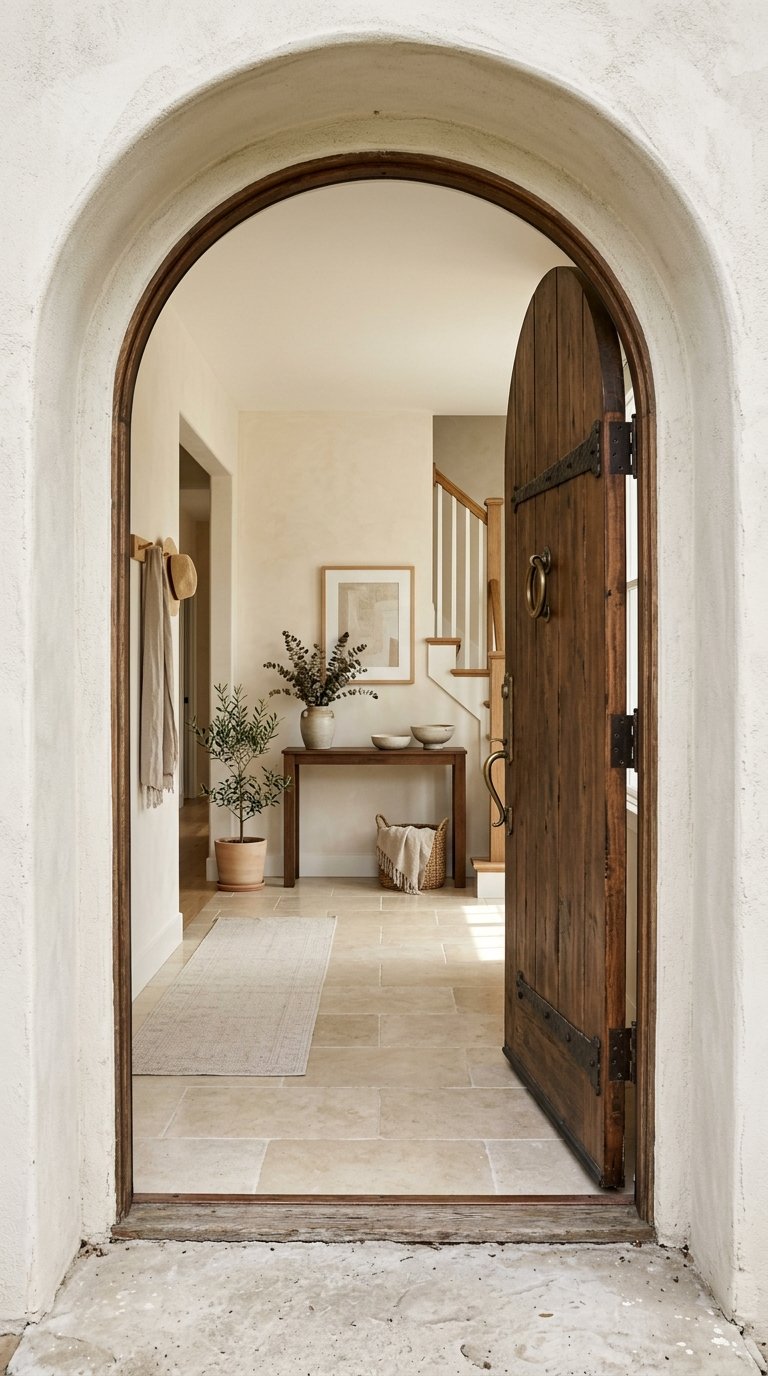
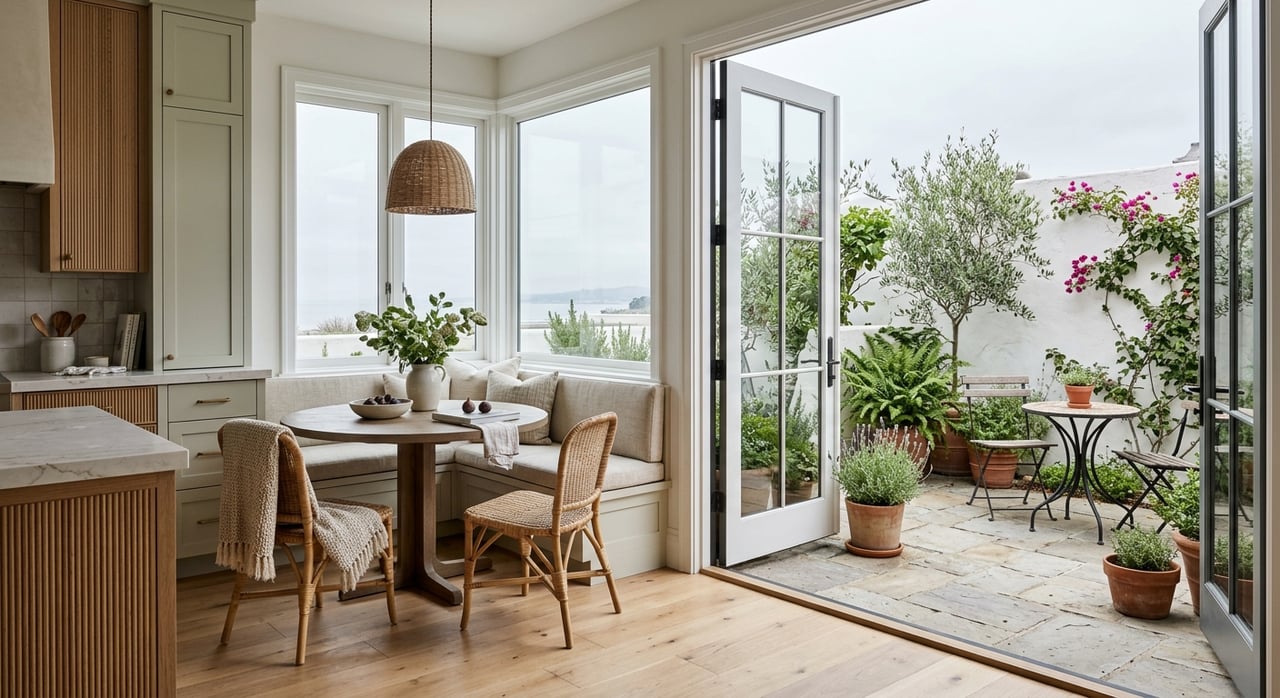
In Jordan Park, buyers are often comparing more than finishes. They are looking closely at how a home supports modern living within a classic San Francisco setting. That is especially true for period residences and legacy homes.
A strong presentation should help buyers quickly understand:
- How the main living spaces connect
- Whether there is practical storage
- How dining, work, and guest spaces function
- How indoor and outdoor areas relate to each other
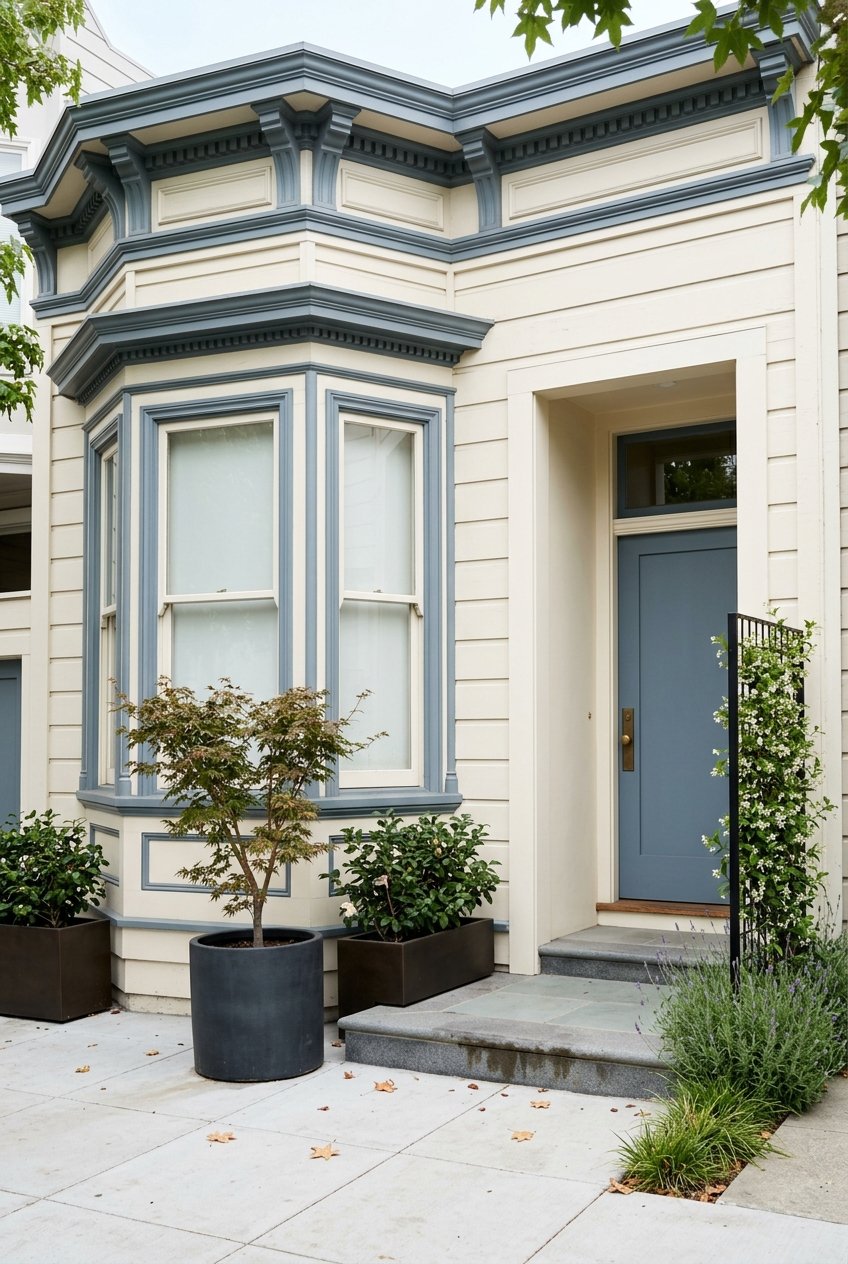
- Which original details give the home character and craftsmanship
If your home has historical features, the goal is not to make it feel frozen in time. It should feel edited, livable, and purposeful. Buyers tend to respond best when architectural details are preserved but everyday function is easy to imagine.
Pricing needs a micro-market strategy
One of the biggest mistakes sellers make is relying too heavily on broad city averages. In Jordan Park, that can lead to overpricing, underpricing, or the wrong launch plan altogether. With only 3 neighborhood sales in Redfin’s March 2026 snapshot, your strategy needs to be based on the most comparable homes, your property’s condition, and its permit and improvement history.
That means a turnkey home may support a sharper list price and a broader initial push. An original or long-held home may benefit more from pre-listing inspections, a fuller disclosure package, and marketing that explains the value of the architecture and the opportunity the property offers.
In this neighborhood, list price is a positioning tool, not just a number. Since homes have sold about 11% above list price on average over the last year, smart pricing can create urgency, but only when it is backed by a credible market story.
Disclosures matter more than ever
In California, sellers of most 1 to 4 unit residential properties must provide a Transfer Disclosure Statement, or TDS. The California Department of Real Estate says it should be delivered as soon as practicable and before transfer of title. The TDS is not a warranty, and it does not replace inspections, but it is a key part of communicating the property’s condition and known defects.
For Jordan Park homes, buyer questions often center on age, condition, and known hazards. The TDS may include known issues such as asbestos, radon gas, lead-based paint, formaldehyde, fuel or chemical storage tanks, and contaminated soil or water. California’s Natural Hazard Disclosure Statement also addresses mapped hazards such as flood zones, dam inundation areas, fire hazard severity zones, earthquake fault zones, and seismic hazard zones.
The Department of Real Estate notes that updates under AB 1280 require the hazard disclosure to identify whether a single-family property is in a high fire hazard severity zone and whether it is in a state or local responsibility area. Even if a third-party risk tool shows minor flood risk or minimal wildfire risk, that does not replace the required statutory disclosure review.
Older homes bring specific questions
Because many San Francisco homes were built well before 1978, lead-related questions are common. Federal lead disclosure rules apply to most homes built before 1978 and require sellers and agents to disclose known lead-based paint information, provide the lead hazard pamphlet, and give buyers the opportunity for an independent lead inspection before they become obligated under contract.
Permit history can also become important, especially for homes that have changed hands more recently. Under AB 968, a single-family seller who took title within the prior 18 months must disclose certain contractor-performed additions, structural changes, alterations, or repairs over $500 completed after taking title, including contractor names and permit copies.
For some properties, buyers may also request a pest or wood-destroying organism report. If the contract or lender requires it, the seller must provide the report and certification before transfer. In practice, a complete and organized disclosure package can reduce uncertainty and help buyers write with more confidence.
Presentation can shape the outcome
In an upper-end San Francisco market, polish matters. Redfin’s March 2026 luxury report shows San Francisco luxury sales rose 22.2% year over year, with a median luxury sale price of $6,808,561 and a typical luxury home going under contract in 12 days.
That pace tells you something important. Buyers in this price range are responsive, but they are also selective. Clean condition, strong photography, and a clear story about why your home is special can influence both attention and momentum.
For Jordan Park sellers, that usually means focusing on a few essentials:
- Decluttering and editing rooms so scale reads clearly
- Highlighting period details without overwhelming the space
- Showing flexible areas for work, guests, or hobbies
- Creating a sense of flow between indoor and outdoor living
- Preparing materials that answer likely buyer questions early
A home does not need to lose its personality to appeal to today’s buyers. It simply needs to feel cared for, understandable, and ready for the next chapter.
Why strategy matters before launch
The best sales often start well before the first showing. Pre-listing planning gives you time to review condition issues, gather disclosures, think through pricing, and decide how the home should be introduced to the market.
That early work can be especially valuable for legacy properties and architecturally significant homes. If the home has a strong story, buyers should understand both its emotional appeal and its practical value. If the home needs updates, the marketing should frame that honestly and strategically.
A thoughtful launch can also help you choose the right level of exposure. Some sellers want broad on-market visibility. Others may prefer a more discreet approach, especially if privacy, timing, or family circumstances matter.
Selling well in Jordan Park
Jordan Park remains one of those San Francisco neighborhoods where buyers are willing to act quickly for the right home. The demand is there, but so is buyer scrutiny. If you want to maximize interest, protect your negotiating position, and make the process smoother, your strategy should connect pricing, preparation, disclosures, and presentation from the start.
That is where local, neighborhood-level guidance can make a real difference. When your home is positioned around how buyers actually shop in Jordan Park today, you are far more likely to attract serious interest and a stronger result.
If you are considering a sale and want a thoughtful plan tailored to your home, Michelle Harris Properties can help you evaluate timing, positioning, and presentation with the discretion and local perspective this neighborhood deserves.
FAQs
What is the current home market like in Jordan Park?
- Jordan Park is a competitive, high-price submarket. Redfin reports a March 2026 median sale price of $2,125,000, with homes over the past 12 months averaging about 11% above list price and going pending in around 12 days.
What do buyers in Jordan Park care about most?
- Buyers often value quiet residential streets, historical homes, park access, and easy city commutes. They also pay close attention to how a home functions for daily living, including layout, storage, and indoor-outdoor flow.
What disclosures are required when selling a home in California?
- For most 1 to 4 unit residential sales, sellers must provide a Transfer Disclosure Statement and a Natural Hazard Disclosure Statement. Depending on the property, lead-based paint disclosures, permit-related disclosures, and pest reports may also come into play.
Why are pre-listing inspections helpful for Jordan Park sellers?
- Pre-listing inspections can help you identify issues early, prepare more complete disclosures, and reduce surprises during escrow. They are especially useful for older or more original homes where buyers may have more questions about condition.
Should you price a Jordan Park home based on San Francisco averages?
- No. Jordan Park pricing should be based on the most relevant neighborhood comps, the home’s condition, and its permit history. Broad city averages can miss the nuances that drive buyer response in this micro-market.
How should you prepare a historical home for sale in Jordan Park?
- The goal is to highlight original character while making the home feel livable and clear for today’s buyers. Thoughtful editing, clean presentation, and a strong narrative about craftsmanship and function usually help buyers connect more quickly.