Ever wonder what a neighborhood really feels like once the open house ends and the map pins disappear? In Jordan Park and Laurel Heights, the answer is less about rushing from one destination to the next and more about how smoothly daily life fits together. If you are exploring this part of San Francisco, here is what a full day can look like, from morning coffee and errands to park time and a quiet evening stroll. Let’s dive in.
Morning starts at Laurel Village
If you want to understand the everyday rhythm of the area, start on California Street in Laurel Village. This compact retail stretch functions as a neighborhood-serving shopping cluster, not a large commercial district, which gives the morning a practical, easy pace.
Peet’s Coffee at 3419 California Street opens at 6:00 a.m. daily, making it an early anchor for the neighborhood. Nearby, the local mix also includes Starbucks, Rigolo Cafe, Noah’s Bagels, Cal-Mart, Books Inc., and Standard Ace, all of which help shape the area’s familiar morning routine.
That mix matters because it shows how Laurel Heights supports day-to-day living. You can picture a morning where coffee, groceries, a hardware stop, and a bookstore browse happen within the same small stretch, without the feel of a busier shopping corridor.
Jordan Park sets the residential tone
A few blocks away, Jordan Park brings a very different atmosphere. It is one of San Francisco’s earliest residence parks, established in 1906, with boundaries generally described as California Street, Parker Avenue, Geary Boulevard, and Palm Avenue.
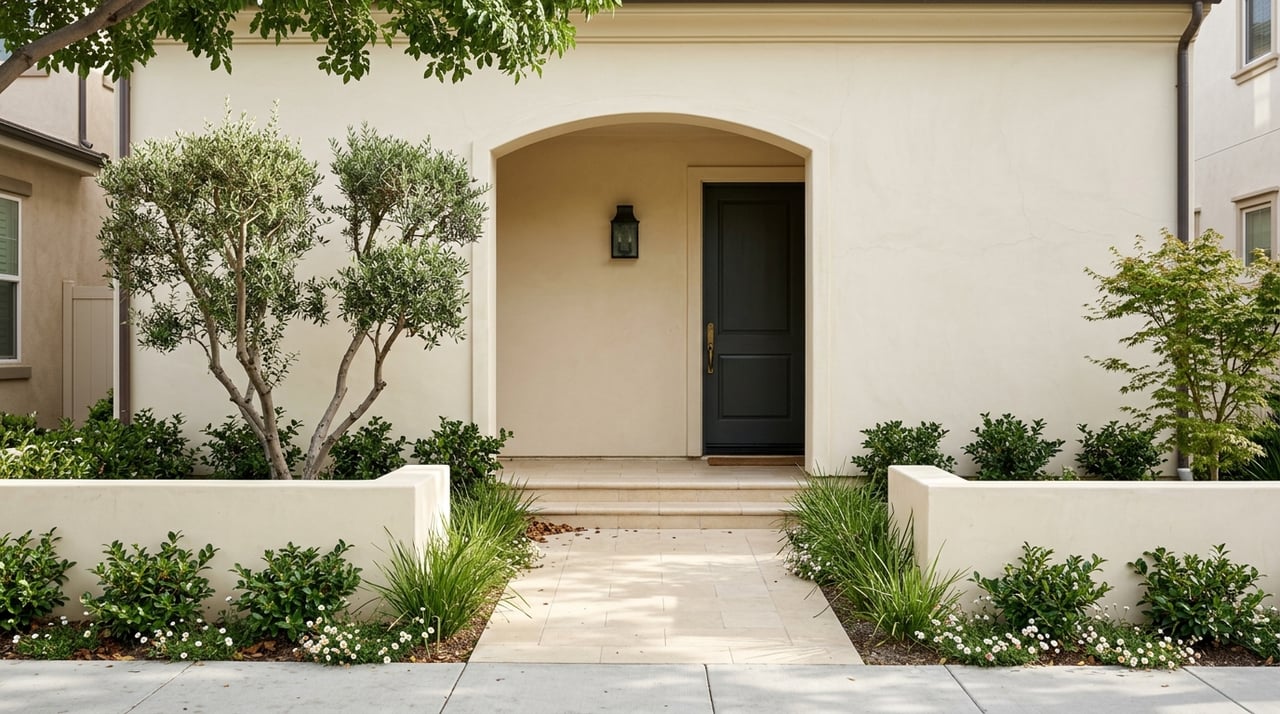
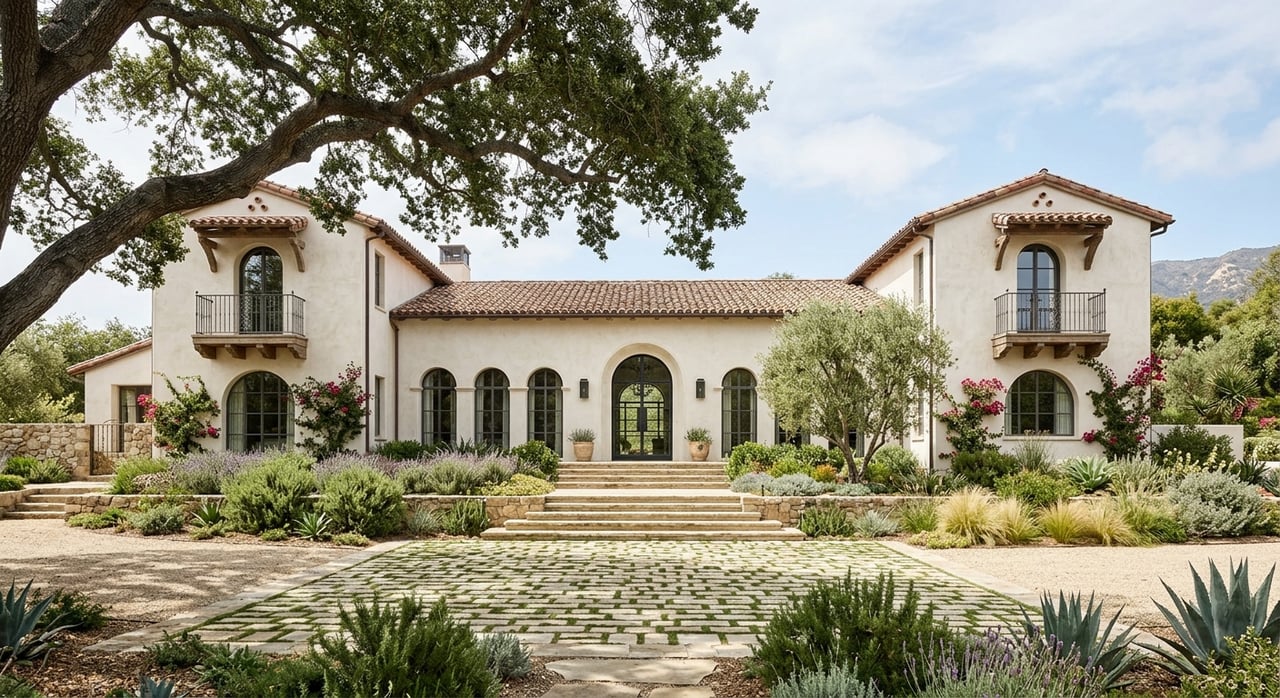
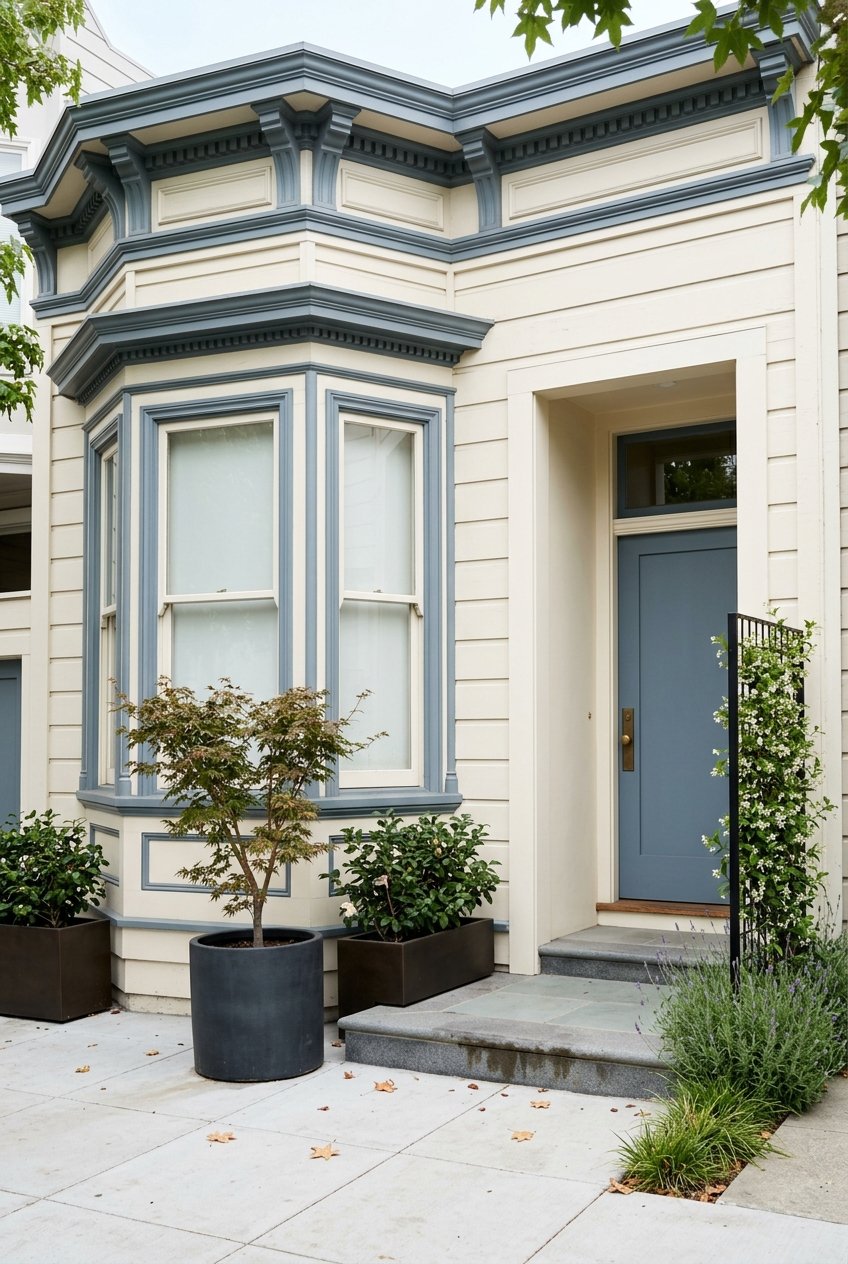
Planning materials highlight the features that still shape the neighborhood’s identity today: wide streets, generous setbacks, shallow front yards, and standalone two-story houses. That layout gives Jordan Park a calm, ordered feel that stands apart from tighter, denser parts of the city.
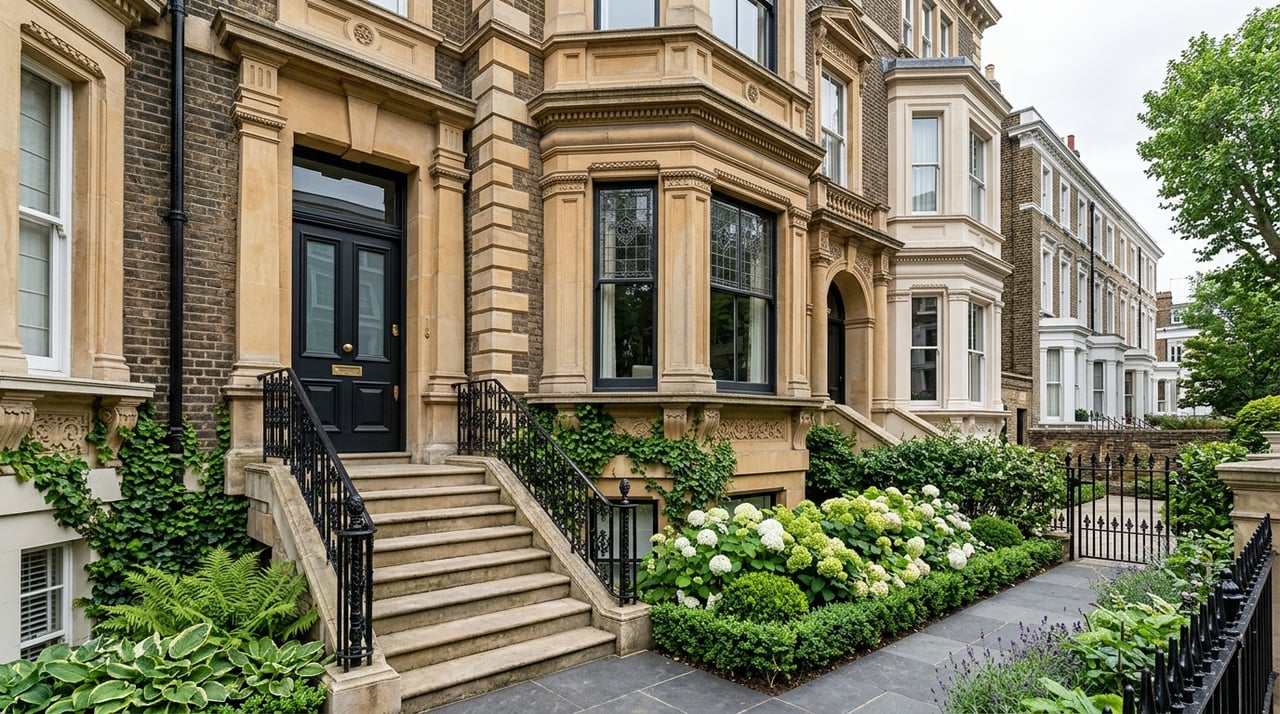
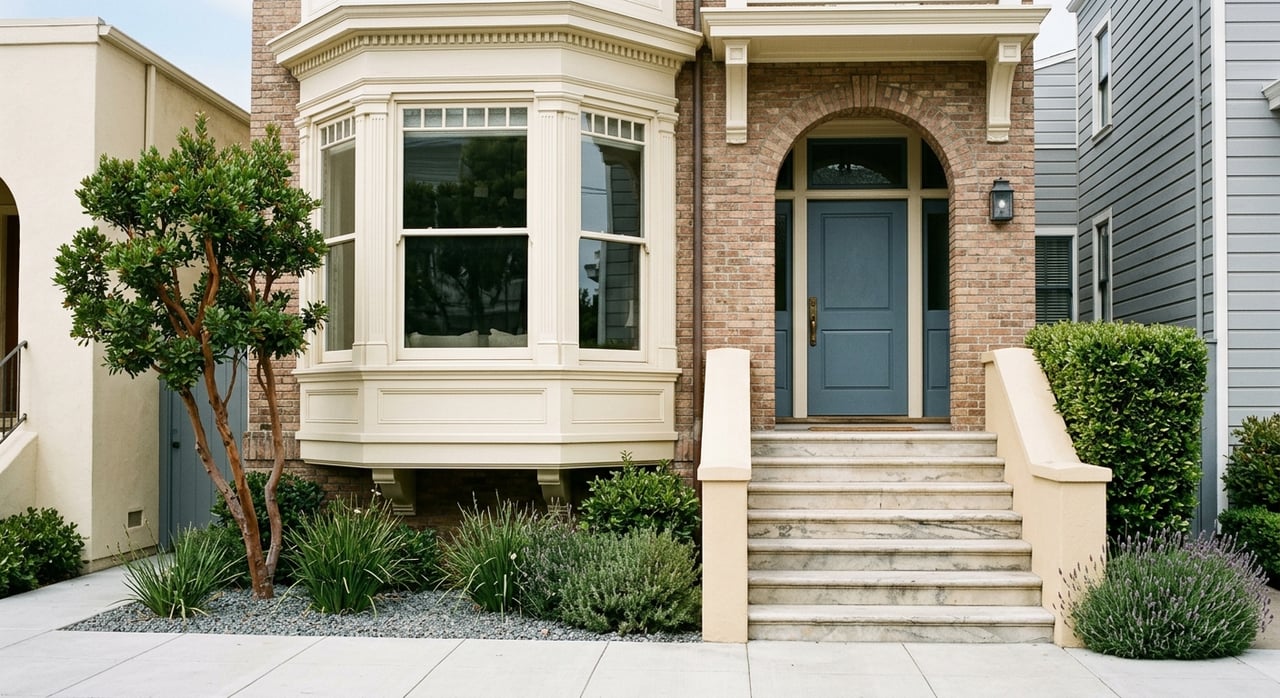
The architecture is part of the experience too. The area is associated with Edwardian, Foursquare, First Bay Tradition, and revival-style homes, which gives many blocks a consistent visual rhythm without feeling repetitive.
A walk here feels spacious
In a city known for compact streetscapes, Jordan Park often feels notably open. The residence-park layout and detached homes create a sense of breathing room that can be hard to find elsewhere in San Francisco.
Palm Avenue offers one of the clearest examples of that mood. A planning landmark report describes it as a quiet two-block residential street with little vehicular traffic, which helps explain why parts of Jordan Park feel especially tucked away and peaceful.
This is the kind of place where the streets themselves become part of the day. Even a short walk can feel restorative when the blocks are leafy, the homes are set back, and the pace stays steady.
Laurel Heights adds convenience
While Jordan Park delivers historic residential character, Laurel Heights balances the picture with convenience. Planning materials describe Laurel Heights as having a broader housing mix that includes single-family homes, duplexes, and some higher-density residential and multi-unit commercial buildings.
That variety supports a neighborhood that feels lived-in and useful. The Laurel Village retail strip is largely one- and two-story in scale, and it reads clearly as a local commercial center rather than a regional draw.
This combination is a big part of the appeal. You get access to daily essentials and neighborhood services, while the surrounding residential streets remain the main story.
Midday works well at Rossi Playground
For a midday reset, Angelo J. Rossi Playground is the strongest local park stop to build into the day. San Francisco Recreation and Parks places it at 2 Willard North Street near Anza and Arguello, and the park is open daily from 6:00 a.m. to 10:00 p.m.
The amenity list is broad but still feels neighborhood-scaled. Rossi Playground includes a playground, baseball and softball fields, basketball courts, tennis courts, picnic areas, restrooms, and a swimming pool.
That range makes it useful for many kinds of afternoons. You might stop for a casual walk, bring kids to the playground, meet someone for a quick park break, or simply use it as a place to slow the day down.
The area is easy to navigate
Practical details matter when you are trying to picture everyday life. Laurel Heights is served by several Muni lines, including the 1 California, 2 Clement, and 43 Masonic, which helps connect the neighborhood to other parts of the city.
Parking is part of the equation too. Local information for Laurel Village notes metered parking along California and Sacramento streets, along with nearby pay lots, which adds flexibility if you are arriving by car.
Altogether, the neighborhood feels accessible without feeling dominated by transit infrastructure. That balance supports the area’s calm, residential tone.
The history still shapes the present
One of the most interesting parts of spending time here is how clearly the neighborhood’s development history still shows up in the streetscape. Jordan Park’s early 20th-century residence-park planning is still legible in the width of the streets, the spacing of the homes, and the consistency of the blocks.
Laurel Heights tells a later story. Planning materials describe the Laurel Village residential tract as built between 1948 and 1950, with the Laurel Village shopping center developing from 1948 to 1955 on former cemetery land.
That later development helps explain why Laurel Heights has a different physical feel than Jordan Park. The scale, housing mix, and commercial spine create a more varied pattern, while still remaining closely tied to residential use.
Evening feels quiet and home-centered
As the day winds down, the mood in both neighborhoods shifts toward home. The retail mix in Laurel Village is practical and local, and outside that corridor the strong residential character becomes more noticeable.
That quiet feel is also more current now that UCSF’s long-time presence at Laurel Heights ended in June 2023. With that office use gone, the area is best understood today as primarily residential, supported by a compact shopping center and nearby park amenities.
For many buyers, that is exactly the appeal. You can enjoy useful daily conveniences, beautiful residential streets, and a rhythm that feels settled by evening.
Why buyers notice this area
If you are home shopping in this part of San Francisco, Jordan Park and Laurel Heights often stand out for different but complementary reasons. Jordan Park offers an architectural and streetscape identity that feels distinctive, historic, and highly residential.
Laurel Heights contributes the practical side of daily life. Its neighborhood-serving retail, mixed housing stock, and accessibility help round out the experience in a way that feels comfortable and grounded.
Together, they create a picture that is easy to imagine living in. You can start the day with errands that do not feel like a chore, spend time on streets that invite walking, and end the evening in an area that feels calm rather than overstimulated.
What this means for your home search
When you tour homes, it helps to look beyond square footage and finishes. In Jordan Park and Laurel Heights, the real story is often how the blocks connect, how the streets feel at different times of day, and how easily everyday routines fall into place.
That is especially true in neighborhoods with such different strengths living side by side. One offers historic residential character and visual continuity, while the other adds a small but meaningful layer of convenience.
If you are considering a move here, spending a day in both can tell you a lot. The texture of the streets, the scale of the shopping area, and the pace of the afternoon may reveal just as much as any listing details.
If you are thinking about buying or selling in Jordan Park, Laurel Heights, or nearby neighborhoods north of California Street, Michelle Harris Properties can help you navigate the market with local insight, thoughtful guidance, and a neighborhood-first perspective.
FAQs
What is Jordan Park known for in San Francisco?
- Jordan Park is known for its early residence-park layout, wide streets, detached homes, generous setbacks, and historic architectural character.
What is Laurel Village in Laurel Heights?
- Laurel Village is a compact neighborhood shopping area on California Street with everyday retail such as coffee shops, food stops, a market, a bookstore, and a hardware store.
What can you do at Angelo J. Rossi Playground near Laurel Heights?
- Angelo J. Rossi Playground offers a playground, baseball and softball fields, basketball courts, tennis courts, picnic areas, restrooms, and a swimming pool.
How do Jordan Park and Laurel Heights feel different?
- Jordan Park feels more historic and residential, while Laurel Heights adds a broader housing mix and a convenient local retail corridor.
Is Laurel Heights still centered around the UCSF campus?
- No. UCSF says its long-time presence at Laurel Heights ended in June 2023, so the area is now better understood as primarily residential with a compact commercial center.