Life in Pacific Heights can feel both elevated and practical at the same time. You get dramatic views, beautiful residential streets, and day-to-day routines that often happen close to home, but the hills, stairs, and varied streetscape shape how the neighborhood works in real life. If you are wondering what everyday family life here actually looks like, this guide will walk you through parks, errands, transit, and the feel of the neighborhood so you can picture the rhythm more clearly. Let’s dive in.
Pacific Heights Family Living: What Daily Life Feels Like
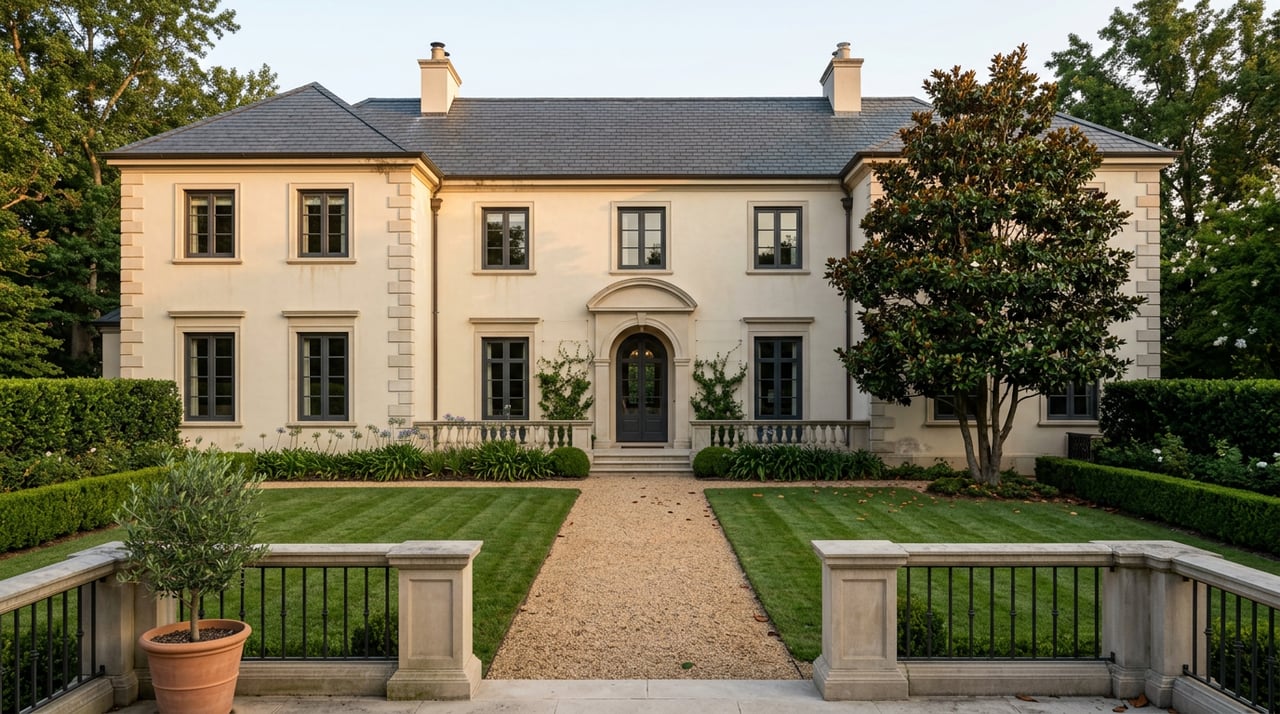
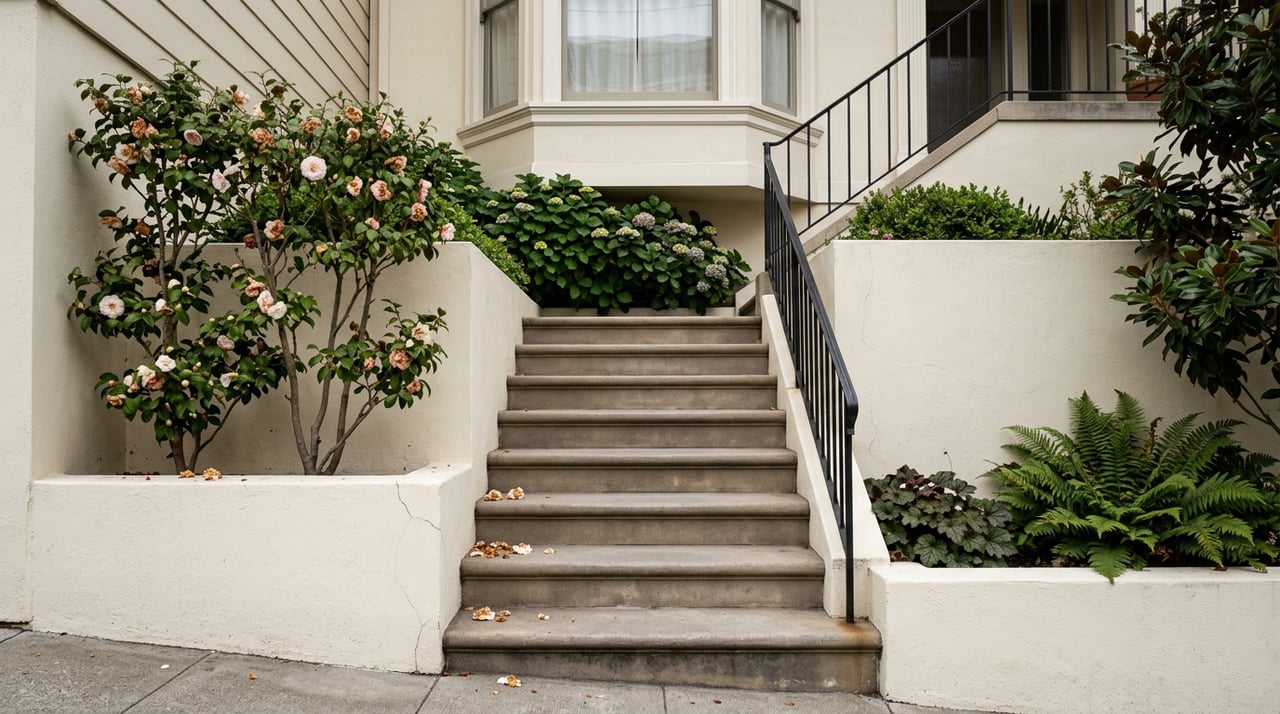
Pacific Heights is first and foremost a residential neighborhood with a strong sense of place. San Francisco Planning describes it as an area defined by rising slopes, detached residences, bay views, and landscaped streets with stairways, fences, and distinct paving patterns. That physical setting gives daily life a polished, hilltop feel rather than the pattern of a flat neighborhood centered around one main commercial strip.
For families, that means your routines may feel close at hand, but they are rarely one-dimensional. A school morning, park stop, coffee run, or grocery errand may involve a scenic walk, a steep climb, or a short transit ride. The neighborhood rewards people who enjoy an urban setting with character and movement built into the day.
Getting around Pacific Heights
One of the strongest practical advantages in Pacific Heights is its transit access. SFMTA lists the California cable car along with the 1 California, 2 Sutter, 22 Fillmore, 24 Divisadero, and 41 Union among the neighborhood’s transit options. The 1 California also includes a short route connecting Pacific Heights and Downtown, which helps support daily commuting and mid-day trips.
That network can make car-light living more realistic than some buyers first expect. You may still use a car, especially depending on your exact block and schedule, but many everyday trips can happen on foot or by transit. In Pacific Heights, convenience often comes from combining a few options rather than relying on just one.
Hills shape the routine
The topography is not a small detail here. The slopes are a defining part of the neighborhood experience, and they can affect how you think about stroller walks, carrying groceries, or planning a route with younger children. A map may make one destination look very close, but the grade can make that trip feel different in person.
That said, many residents see the hills as part of the appeal. They contribute to the views, the architecture, and the sense that each block has its own personality. If you are considering a move, it helps to think not just about distance, but also about elevation and street layout.
Clay Street offers a calmer corridor
SFMTA designates Clay Street from Arguello Boulevard to Steiner Street as a Slow Street. The program targets speeds of 15 miles per hour or less and fewer than 1,000 vehicles per day. For families, that can add a layer of comfort to neighborhood movement and support a more pedestrian-friendly rhythm.
Parks anchor family routines
Outdoor space is a major part of everyday life in Pacific Heights. Two parks in particular, Alta Plaza Park and Lafayette Park, play an outsized role in how residents spend weekends, afternoons, and after-school time. They give the neighborhood places to gather, reset, and enjoy some open air without leaving the area.
For many households, these parks are not occasional amenities. They are part of the weekly routine, whether that means playground time, a dog walk, tennis, or simply finding a place to sit and take in the city and bay views.
Alta Plaza Park at a glance
Alta Plaza Park is nearly 12 acres and offers a wide range of recreational features. According to San Francisco Recreation and Parks, it includes an accessible children’s play area, picnic tables, an off-leash dog play area, an outdoor basketball court, pickleball, a playground, and tennis courts. Its terraced slope and staircase are also part of its identity, with panoramic views adding to the appeal.
For families, Alta Plaza often works well because it offers several uses in one place. One person can head to the courts while another takes children to the play area, and the setting still feels unmistakably Pacific Heights. It is active without losing its residential backdrop.
Lafayette Park supports everyday use
Lafayette Park is another core neighborhood resource. Rec & Park describes it as an 11.5-acre multi-use recreation area with grassy lawns, city and bay views, a playground, picnic areas, an off-leash dog area, restrooms, and tennis courts. The department also notes that it serves as a source of respite and recreation for Pacific Heights residents.
The park’s role in neighborhood life is underscored by long-term public investment. San Francisco residents committed more than $10 million from the 2008 Clean and Safe Neighborhood Parks Bond to Lafayette Park improvements. That level of support reflects how important the space is to the daily life of the area.
Fillmore Street handles many errands
Pacific Heights is largely residential, but it is not isolated from everyday convenience. SF Travel describes the neighborhood as full of unique local businesses along with name-brand boutiques, and points to Fillmore Street as a standout shopping district within Pacific Heights. For many residents, this corridor helps bridge the gap between home life and everyday needs.
That matters if you want a neighborhood where you can fold errands into the day instead of planning every trip around driving elsewhere. A quick stop for coffee, a casual meal, or an item you need may be closer than you think, especially if you live near one of the main corridors.
The retail feel is polished and walkable
Fillmore Street is described by SF Travel as a dynamic axis connecting Western Addition and Pacific Heights, with fine dining and upscale shopping along the corridor. Nearby Union Street adds another layer of neighborhood convenience. The Union Street Association says the corridor includes more than 300 businesses and describes it as a historic shopping district filled with boutiques and dining establishments in restored Victorian surroundings.
In practical terms, that gives Pacific Heights families access to daily amenities in a setting that feels more urban and curated than strip-commercial. The shopping and dining are woven into the surrounding city fabric, which can make errands feel more integrated into neighborhood life.
Dining options are close to home
SF Travel’s coverage points to a range of local dining options, from established fine dining at Spruce to newer neighborhood cafes and restaurants such as Mattina and Little Shucker. While not every family meal happens out, nearby dining options can still shape the day. They make it easier to meet friends, pick up a casual bite, or stay local when schedules get busy.
Homes create the neighborhood character
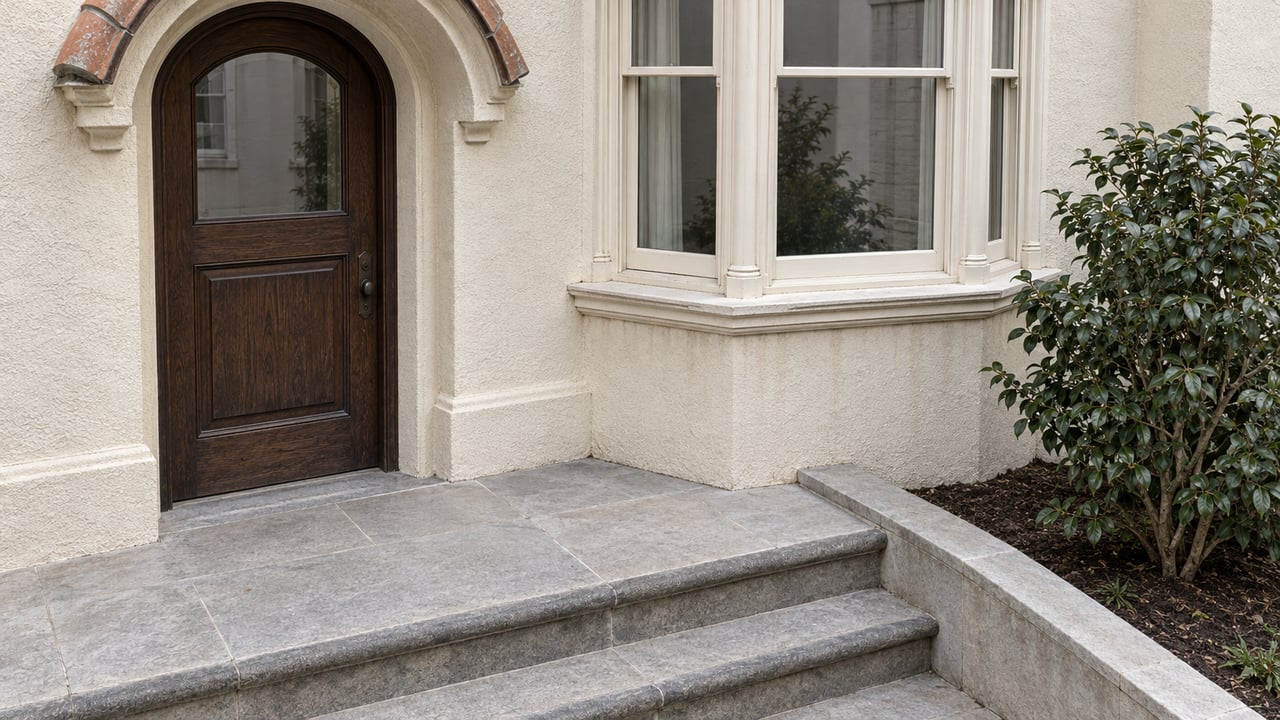
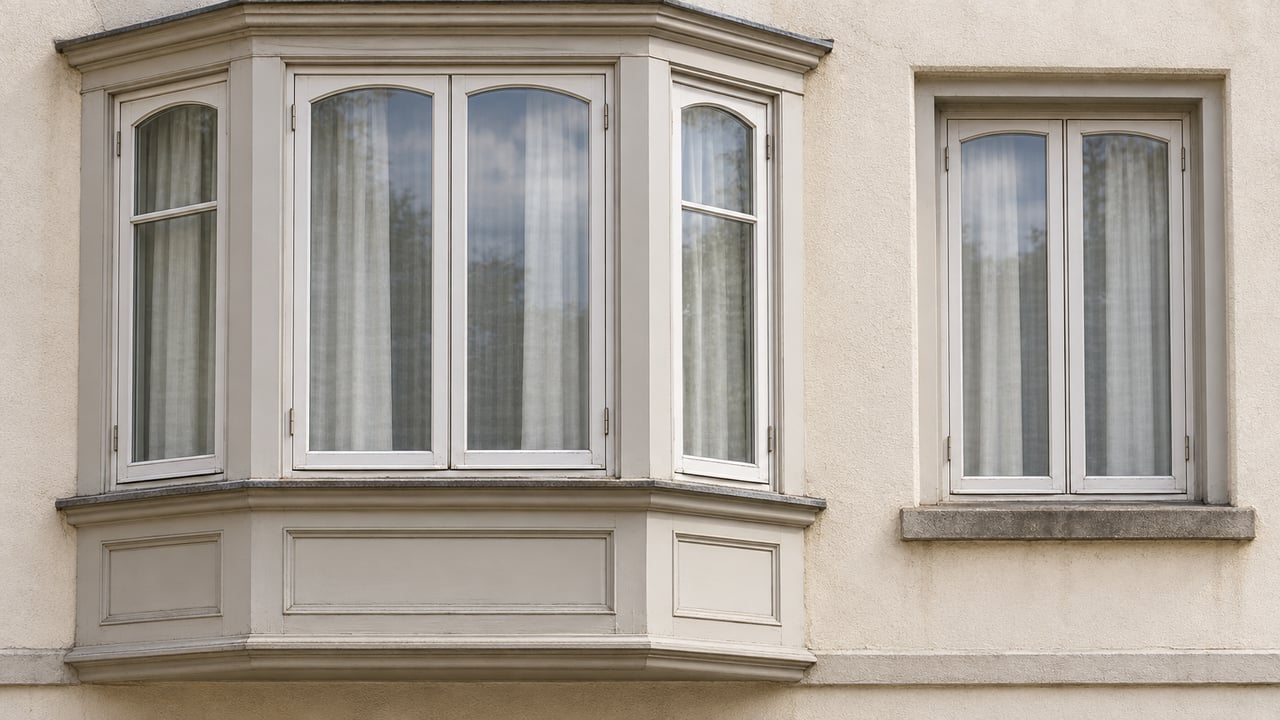
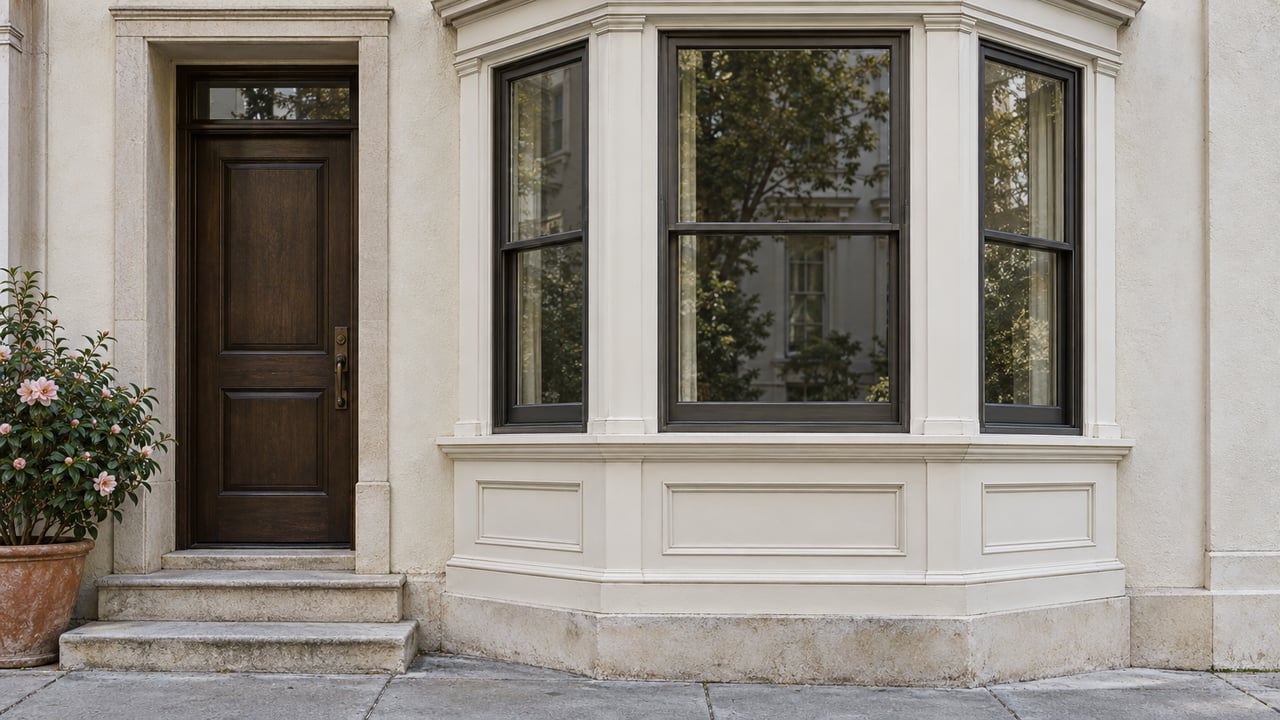
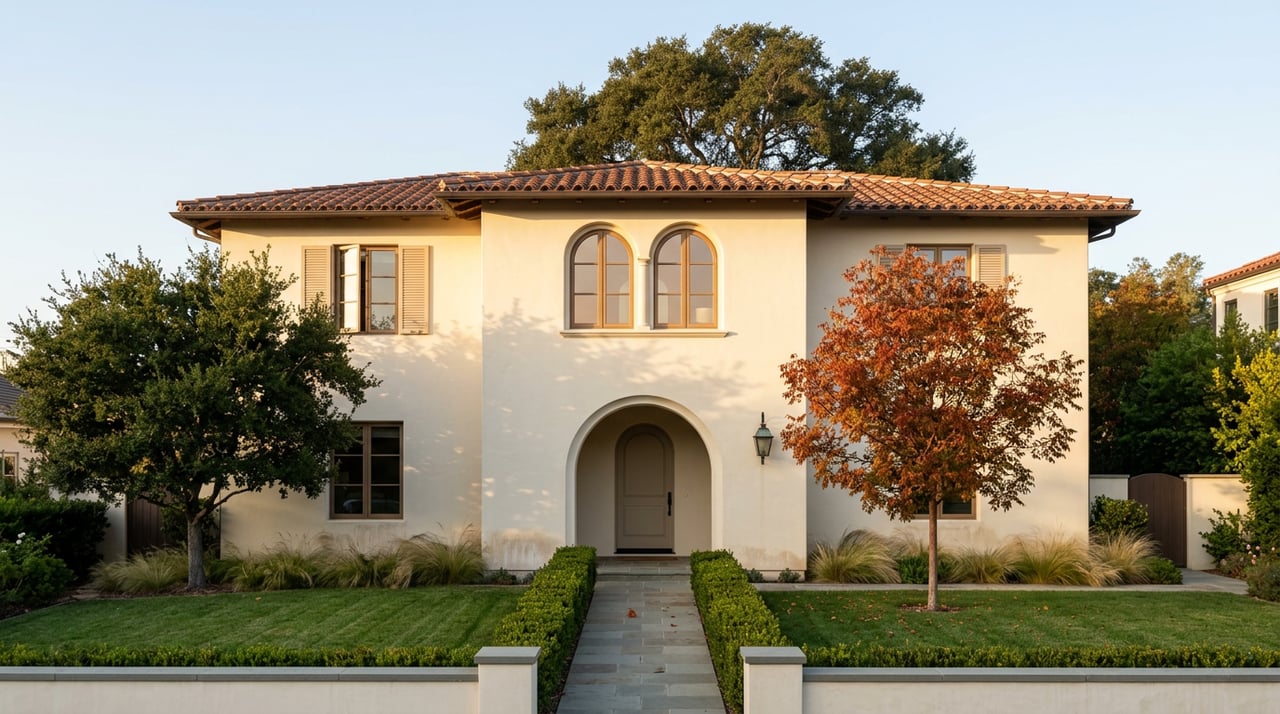
Pacific Heights is known for its architectural presence, and that has a direct effect on how the neighborhood feels to live in. San Francisco Planning describes the area as a place of spacious and distinguished residences with rich detail and materials. SF Travel also notes the presence of Queen Anne-style homes and some Art Deco homes.
For buyers, this means the housing stock often offers more than square footage alone. Streets can feel formal, historic, and visually layered, with each block showing a slightly different expression of the neighborhood’s character.
Block-to-block variety matters
Planning materials also show that some blocks mix single-family homes with apartment buildings. As a result, the streetscape can shift noticeably depending on where you are. One block may read as grand and estate-like, while the next feels more vertical and multi-unit.
That variety is worth understanding before you buy. Pacific Heights is not uniform, and that is part of its appeal. If you are searching here, it helps to evaluate not only the property itself but also the rhythm and built form of the surrounding blocks.
Why Pacific Heights works for many families
If you are looking for a neighborhood that combines residential calm with urban access, Pacific Heights makes a strong case. Its parks, transit options, and neighborhood shopping corridors support day-to-day routines, while the architecture and views give it a sense of occasion that is hard to replicate. The tradeoff is that the hills, stairs, and older housing stock are very much part of the package.
For many buyers, that balance is exactly the point. Pacific Heights offers a highly residential atmosphere without giving up access to parks, dining, and transit. It can be a compelling fit if you want family life in San Francisco to feel connected, beautiful, and rooted in a neighborhood with lasting character.
If you are thinking about buying or selling in Pacific Heights, working with a team that understands the block-by-block feel of the neighborhood can make all the difference. Michelle Harris Properties offers thoughtful, high-touch guidance for clients navigating San Francisco’s most sought-after residential areas.
FAQs
What is everyday family life like in Pacific Heights?
- Everyday family life in Pacific Heights often centers on residential streets, nearby parks, walkable errands, and transit options, with the hills and stairs shaping how routines feel in practice.
Are there parks in Pacific Heights for children and recreation?
- Yes. Alta Plaza Park has an accessible children’s play area, playground, courts, picnic tables, and dog area, while Lafayette Park offers lawns, a playground, picnic areas, restrooms, tennis courts, and dog space.
Is Pacific Heights walkable for daily errands?
- Many daily errands can happen close to home, especially near Fillmore Street and nearby commercial corridors, though the neighborhood’s steep topography can affect how easy a walk feels.
What transit serves Pacific Heights in San Francisco?
- SFMTA lists the California cable car and the 1 California, 2 Sutter, 22 Fillmore, 24 Divisadero, and 41 Union as transit options serving Pacific Heights.
What kinds of homes are common in Pacific Heights?
- Pacific Heights includes older, architecturally detailed homes, with Queen Anne-style and some Art Deco homes noted in source material, along with a mix of single-family residences and apartment buildings on some blocks.