If you are getting ready to sell a Marina District home, first impressions matter more than ever. Buyers often meet your property online before they ever step through the front door, and in a higher-rate market, polished presentation and clear information can make a real difference. The good news is that the most effective prep steps are usually practical, targeted, and easy to understand. Let’s dive in.
Why Marina prep looks different
The Marina is one of San Francisco’s most recognizable waterfront neighborhoods, with roots tied to the 1915 Panama-Pacific International Exposition and a housing stock known for Period Revival, Streamline Moderne, and Art Deco architecture. That means many homes already have the kind of character buyers notice and remember.
For sellers, that usually points to a simple strategy: preserve what makes the home distinct while refreshing what feels worn. Instead of trying to reinvent the property, your goal is to present original charm, clean lines, natural light, and a strong sense of care.
What today’s buyers notice first
Today’s buyers do a large share of their search online. According to the 2024 Profile of Home Buyers and Sellers, 43% of buyers first looked on the internet, 51% found their home through online search, 41% found photos very useful, 39% valued detailed property information, and 31% appreciated floor plans.
That matters because your listing is competing for attention long before an in-person tour. Buyers also spent a median of 10 weeks searching and viewed a median of seven homes, with two viewed online only, so your home needs to read clearly and confidently on a screen.
The same research shows that many buyers are navigating a rate-sensitive market. With average mortgage rates reported at 7.02% and peaks of 7.79%, buyers tend to be more selective, more analytical, and more responsive to homes that feel move-in ready.
Start with the highest-impact basics
If you want the fastest route to a better first impression, begin with the improvements that buyers and agents consistently respond to. The 2025 home staging profile found that sellers’ agents most often recommended decluttering, whole-home cleaning, and curb appeal improvements.
These steps are not flashy, but they work because they show up in every part of the sales process. They improve photos, in-person showings, and the overall sense that the home has been well maintained.
Focus on these core pre-list tasks
- Declutter every room to make spaces feel larger and easier to understand
- Deep clean the full home, including windows, kitchens, baths, and baseboards
- Touch up paint where walls, trim, or doors show wear
- Make minor repairs such as loose hardware, sticking doors, chipped caulk, or damaged light fixtures
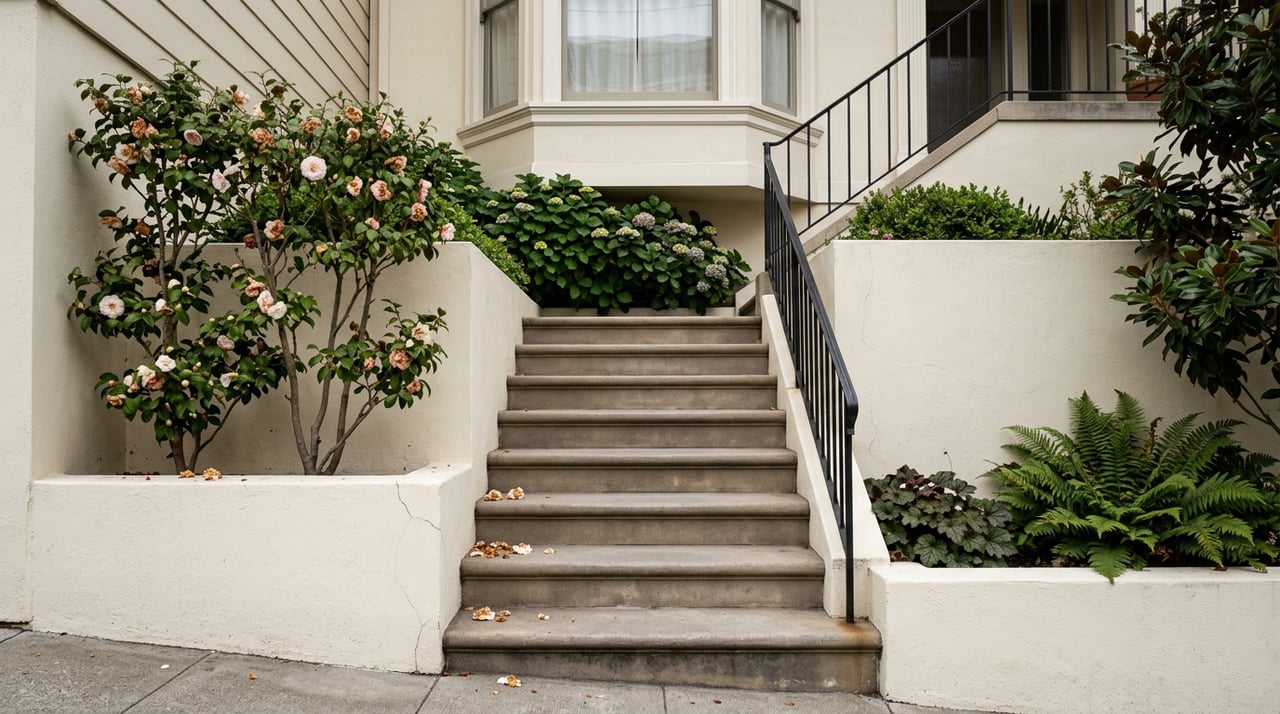
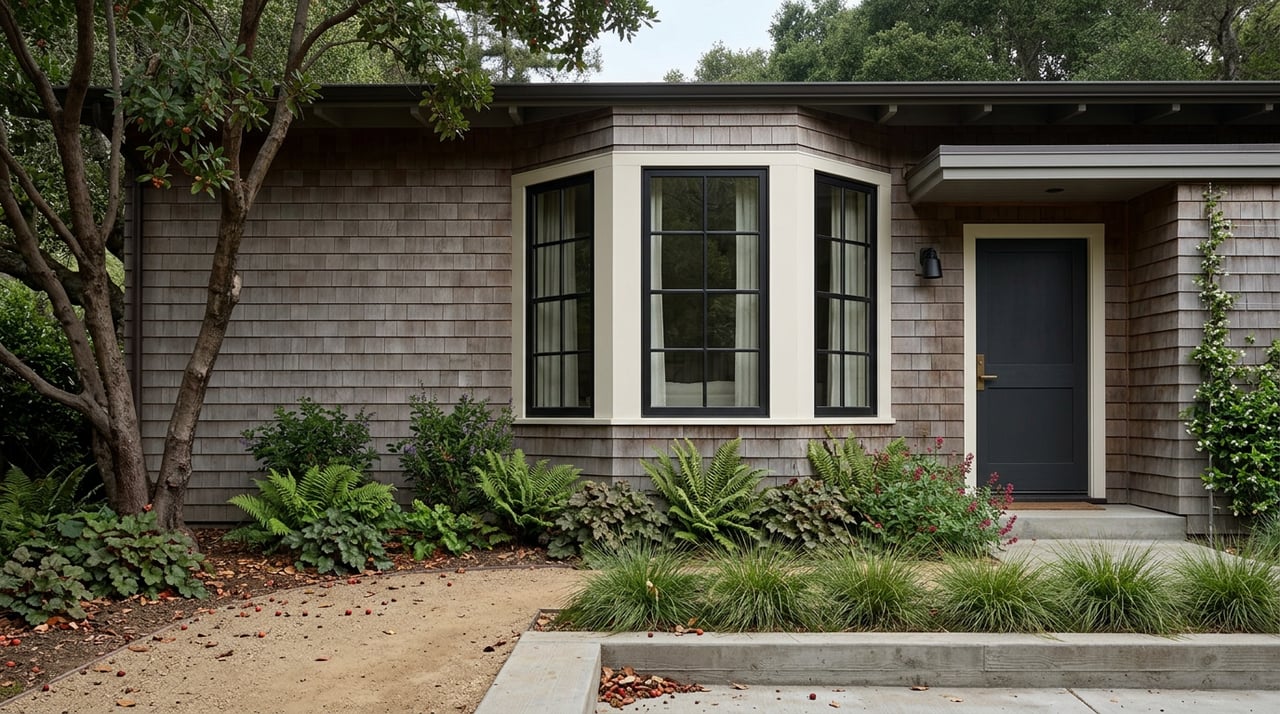
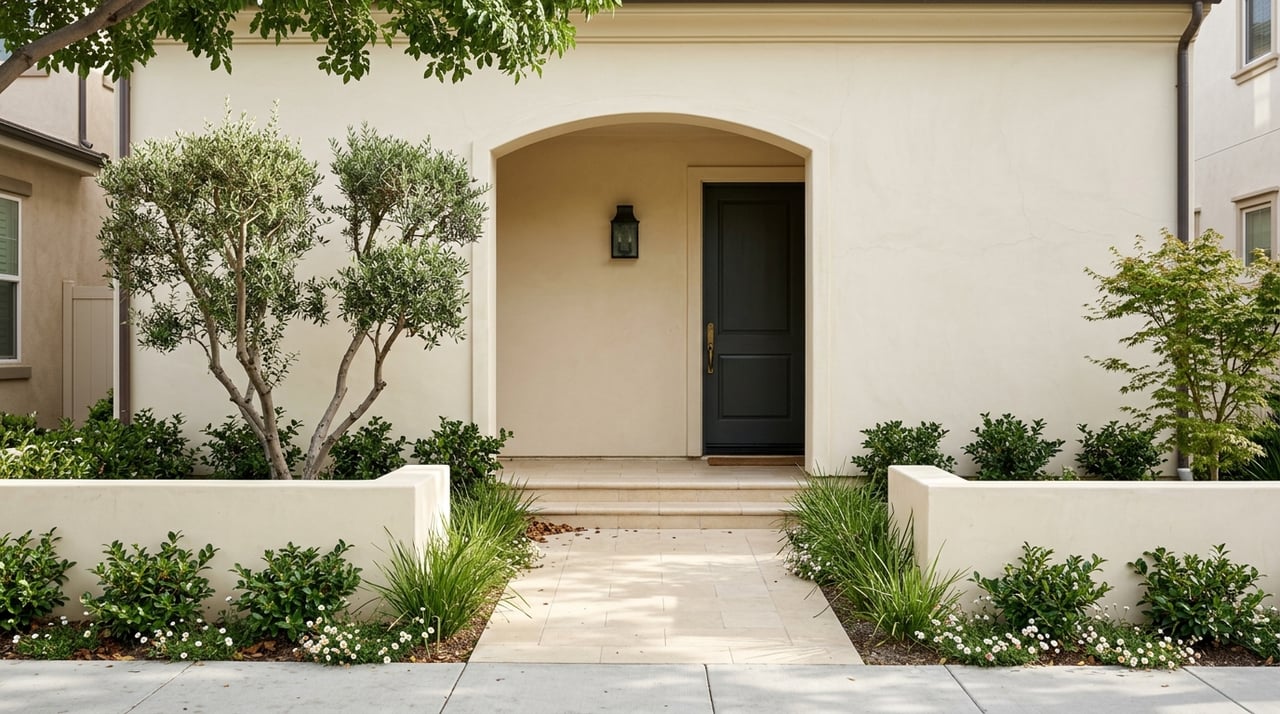
- Improve curb appeal with tidy entry areas, clean walkways, and fresh landscaping where applicable
In a neighborhood like the Marina, where many homes have efficient layouts and distinctive period details, reducing visual noise can be especially helpful. Clean presentation allows buyers to focus on the architecture, light, and flow instead of deferred maintenance.
Preserve character while updating selectively
Because Marina homes often date to the 1920s and 1930s, buyers may be drawn to original moldings, graceful proportions, vintage detailing, and architectural personality. Those features can be assets when they are presented in a clean, intentional way.
That does not mean every older finish should stay. It means your updates should support the home’s style rather than compete with it. In many cases, targeted cosmetic improvements are more effective than a full stylistic overhaul.
Smart update areas to consider
- Refresh worn paint in light, neutral tones
- Repair damaged trim or finishes that distract from the home’s details
- Simplify busy décor so period features stand out
- Replace dated or nonworking fixtures if they pull attention for the wrong reason
- Style rooms to show function clearly, especially in smaller or flexible spaces
This approach fits both the neighborhood’s architectural history and the way modern buyers evaluate homes online. A well-prepared Marina home should feel polished, not overworked.
Stage the rooms buyers care about most
Presentation now extends far beyond tidying up for an open house. The 2025 staging profile reported that buyers’ agents said photos, physical staging, videos, and virtual tours were all much more important or more important to their clients.
That means staging should support both digital marketing and in-person visits. It should help buyers understand how the home lives, not just how it looks.
Prioritize these spaces
The rooms most often staged were:
- Living room
- Primary bedroom
- Kitchen
- Dining room
- Bathroom
- Home office
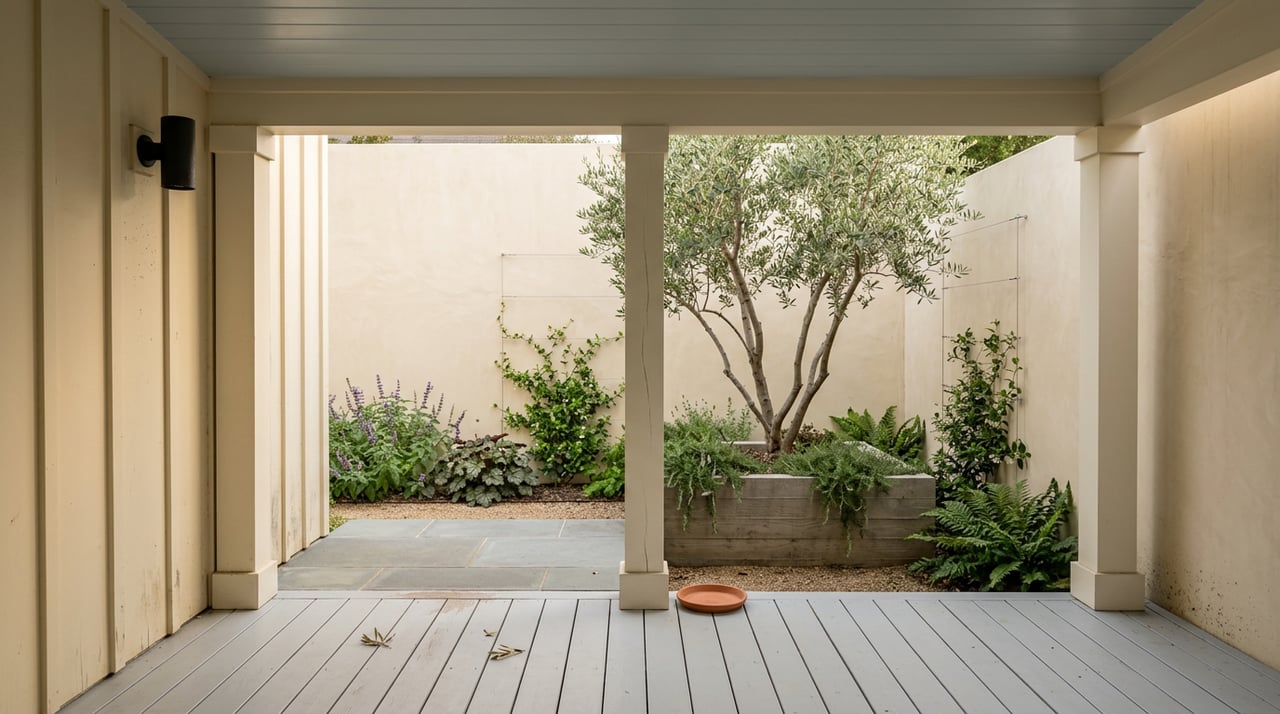
- Outdoor or yard space
- Guest bedroom
If your Marina property has bay views, strong natural light, a charming facade, or access to outdoor space, those features should be framed carefully in both staging and photography. Buyers are often responding to lifestyle as much as square footage.
Prepare for buyer questions early
In the Marina, preparation is not only about appearance. It is also about readiness. Because the neighborhood was built on artificial fill over older sediments, buyers may ask more detailed questions about the property’s condition and history.
USGS has documented that much of the settlement, liquefaction, and damage in earthquake events occurred in areas of artificial fill made mainly of loose sand. San Francisco’s climate and health profile identifies the Marina as one of the city’s largest liquefaction zones, and the California Geological Survey explains that seismic hazard zones are mapped regulatory areas that must be disclosed when applicable.
This does not mean a sale is a problem. It means buyers will appreciate clear records, organized disclosures, and a confident listing package.
Gather these records before listing
- Foundation work documentation
- Drainage improvement records
- Seismic retrofit records, if applicable
- Past inspection reports you plan to share
- Receipts or summaries for meaningful repairs and upgrades
Having this information ready can reduce friction later. It also helps your agent present the home with more clarity and answer questions quickly.
Treat disclosures as a pre-list project
In California, disclosures are not something to leave until the last minute. The California Department of Real Estate says the Transfer Disclosure Statement covers the physical condition of the property and any potential hazards or defects.
California law also requires Natural Hazard Disclosure when a property lies in certain mapped hazard areas, including seismic hazard zones. For Marina sellers, that makes early preparation especially important.
Why early disclosure prep helps
- It gives you time to locate missing records
- It helps surface issues before the home is actively marketed
- It supports more accurate pricing and positioning
- It can make the buyer review process feel smoother
A thoughtful disclosure package signals professionalism. In a detail-oriented market, that can reinforce trust from the start.
Verify permit history before you market
If your home has been remodeled, expanded, or meaningfully improved, permit history is worth checking before the listing goes live. San Francisco DBI states that its online permit-tracking records go back to the 1980s.
That gives you a practical way to confirm what was documented and how prior work may be described in the marketing and disclosure materials. It can also help your agent decide what to highlight, what to clarify, and what may deserve attention before launch.
Permit review can support
- Listing accuracy
- Disclosure completeness
- Marketing notes about updates or remodels
- Better buyer conversations during showings and review periods
For legacy sellers in particular, this step can be valuable if improvements were completed over many years and records are spread across different files.
Build a listing package for online buyers
A strong Marina listing package should do more than show attractive rooms. It should help buyers understand the home quickly and confidently.
NAR buyer research found that photos, detailed property information, and floor plans are among the most useful website features. The staging profile also found that photos, videos, and virtual tours play a meaningful role in buyer engagement.
Your listing package should include
- Professional photography
- A floor plan
- Video or virtual tour assets
- Clear, concise property notes
- Accurate details about updates, layout, and standout features
This is where polished marketing can elevate a distinctive home. Buyers often decide whether to schedule a showing based on how complete and credible the online presentation feels.
Highlight the Marina lifestyle carefully
Buyers do not choose a home in a vacuum. The 2024 buyer profile found that neighborhood quality and convenience to friends and family were among the most important location factors.
For the Marina, it is appropriate to emphasize factual lifestyle advantages such as waterfront access, nearby parks, bay views in some locations, and established commercial corridors like Chestnut Street. These elements help explain why the neighborhood continues to attract strong interest.
The key is to connect the home to its setting in a calm, factual way. Thoughtful marketing should reflect the area’s walkability, open space access, and architectural identity without overstating anything.
A simple Marina pre-list checklist
If you want a practical place to start, use this sequence:
- Declutter and deep clean the home
- Complete minor repairs and paint touch-ups
- Refresh curb appeal and entry presentation
- Gather records for foundation, drainage, and seismic work
- Review disclosures early
- Verify permit history through San Francisco DBI records
- Stage priority rooms for photos and showings
- Create a complete digital listing package with photos, floor plan, and video
Taken together, these steps help your home show well, answer buyer questions, and enter the market with fewer surprises.
Selling in the Marina is rarely about making a home look generic. It is about showing buyers the best version of what is already special, while giving them the information they need to feel comfortable moving forward. If you are thinking about your next move, Michelle Harris Properties can help you prepare your Marina home with the level of detail, presentation, and local perspective today’s buyers expect.
FAQs
What should Marina sellers fix before listing a home?
- Start with decluttering, deep cleaning, paint touch-ups, minor repairs, and curb appeal improvements, since these are the prep steps most consistently recommended in current staging research.
Why do Marina buyers ask about seismic or foundation issues?
- The Marina includes areas built on artificial fill, and California requires disclosure when a property lies in mapped seismic hazard zones, so buyers often want records related to foundations, drainage, and seismic improvements.
How important are photos and floor plans for a Marina listing?
- They are very important because buyer research shows that photos, detailed property information, and floor plans are among the most useful online listing features.
Should a Marina home keep its original architectural details?
- In many cases, yes, because the neighborhood is known for 1920s and 1930s architecture, and sellers often benefit from preserving character while refreshing worn surfaces.
When should Marina sellers start gathering disclosures?
- Before the home goes on the market, since California disclosure requirements cover property condition, hazards, and mapped natural hazard areas, and early preparation can make the process smoother.