Trying to choose between Cow Hollow and the Marina? It is a common question for San Francisco buyers because these neighboring areas can look similar at first glance, yet they support very different day-to-day routines. If you are weighing charm, housing style, walkability, parks, and social energy, the right fit often comes down to how you want your week to feel. Here is a practical look at how Cow Hollow and the Marina compare so you can narrow your search with more confidence.
Cow Hollow vs. The Marina at a Glance
Cow Hollow and the Marina sit side by side in northern San Francisco, but they offer different rhythms. Cow Hollow centers more on a residential, house-rich setting with Union Street as its main everyday commercial corridor. The Marina tends to feel more open and active, with Chestnut Street, major park access, and nearby waterfront destinations shaping daily life.
In simple terms, Cow Hollow often appeals to buyers who want classic San Francisco architecture and a quieter neighborhood-block feel. The Marina often attracts people who want easier access to larger open spaces, more casual meet-up spots, and a livelier after-work routine.
Cow Hollow Feel and Setting
Cow Hollow sits on a hillside that slopes north from Pacific Heights toward the Marina. That topography helps give the neighborhood a more layered feel, with streets that can feel a bit more varied and view-oriented as you move through them. If you like the sense of being tucked into a residential pocket while still staying close to shops and dining, that character may stand out to you.
The neighborhood’s daily rhythm often feels centered on home and nearby routines. Union Street provides a convenient social and errands hub, but the surrounding blocks keep more of a residential tone. For many buyers, that balance is a big part of Cow Hollow’s appeal.
Marina Feel and Setting
The Marina developed over former marsh and tideland fill in a grid, and it generally reads flatter and more open. That can make the neighborhood feel easier to navigate on foot and visually more expansive. If you picture morning walks, a quick coffee run, and regular time outdoors, that physical layout may suit you well.
The Marina also benefits from strong proximity to waterfront and park destinations. That access shapes the neighborhood’s identity in a major way and contributes to a more active, outdoors-oriented lifestyle.
Housing Style in Cow Hollow
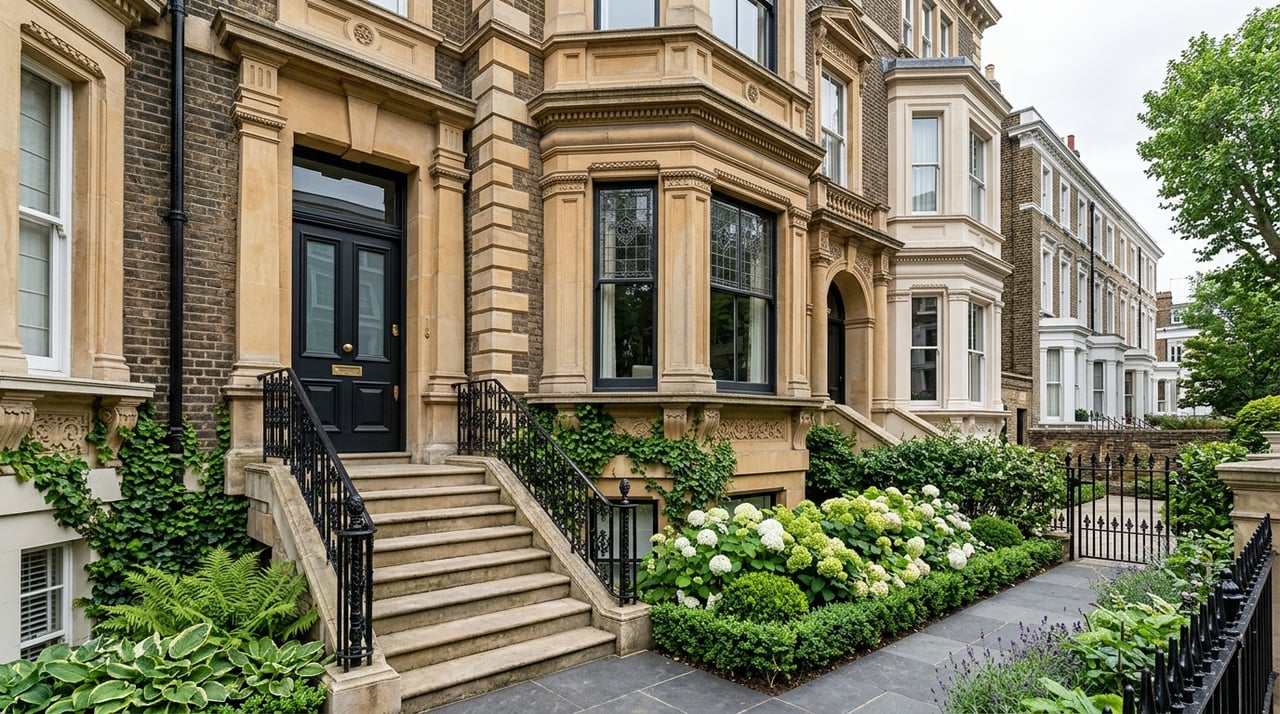
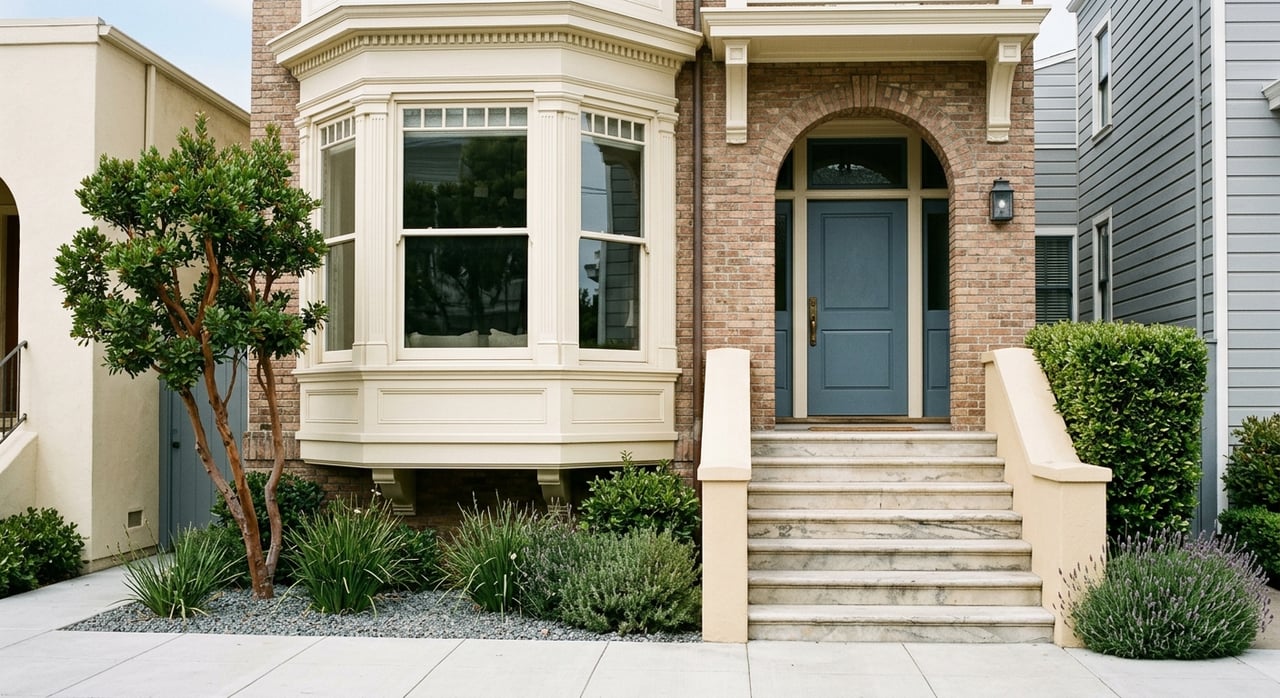
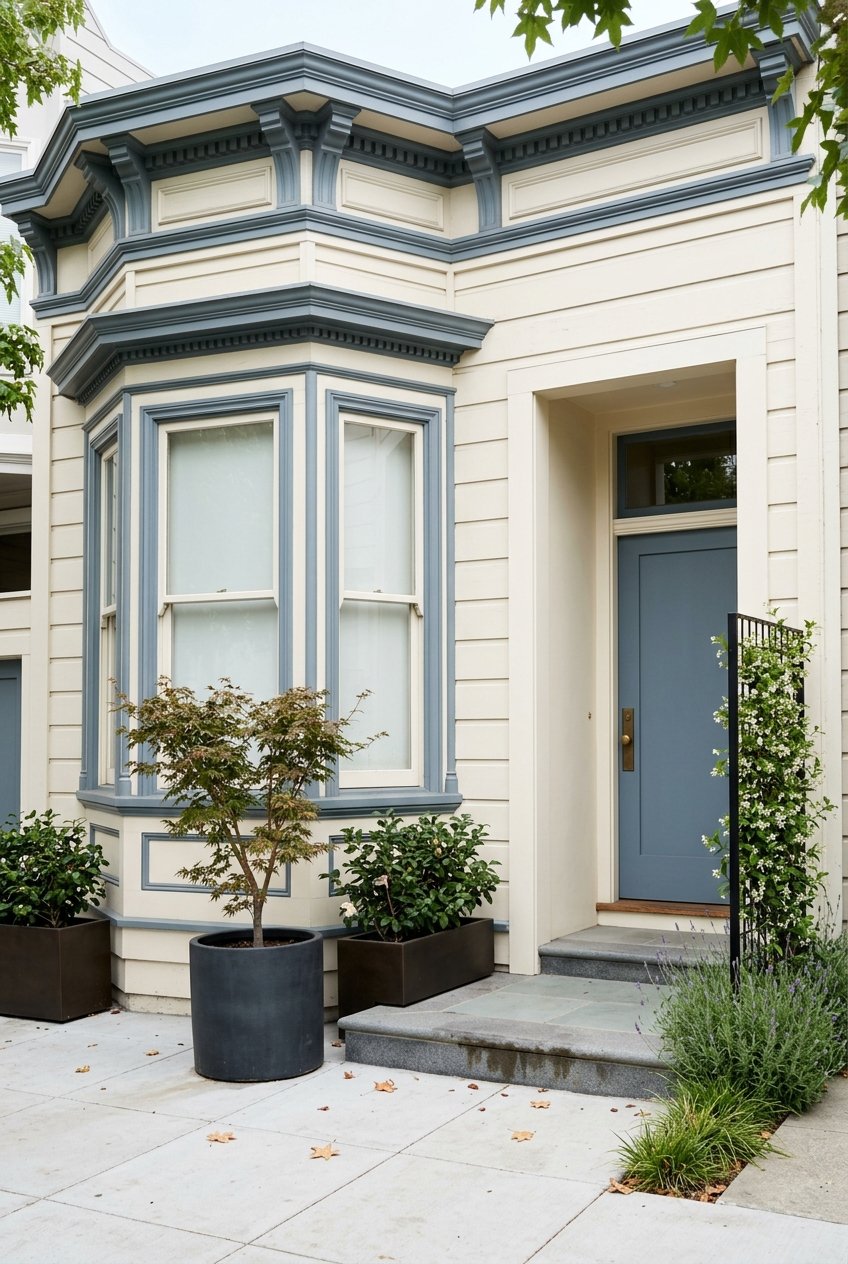
If you are drawn to older San Francisco homes, Cow Hollow is likely the stronger match. Planning documents note that much of its home construction followed 1890 and includes Victorian styles such as Stick-Eastlake and Queen Anne, along with Edwardian homes. Later homes from the 1920s also include Mediterranean, Mission, Romanesque Revival, Tudor, and Craftsman styles.
Cow Hollow’s built form is also notably house-forward. According to SF Planning, 98% of buildings are two to three-and-a-half stories, with three-story buildings most common, and the area is predominantly zoned RH-1 and RH-2. For buyers seeking period character, vertical homes, and a more traditional residential streetscape, that is a meaningful advantage.
Housing Style in the Marina
The Marina offers a different housing mix. It is described as a predominantly residential neighborhood of flats, apartment buildings, and single-family dwellings, with much of its development happening quickly between the wars. That gives the area a more cohesive 1920s and 1930s look.
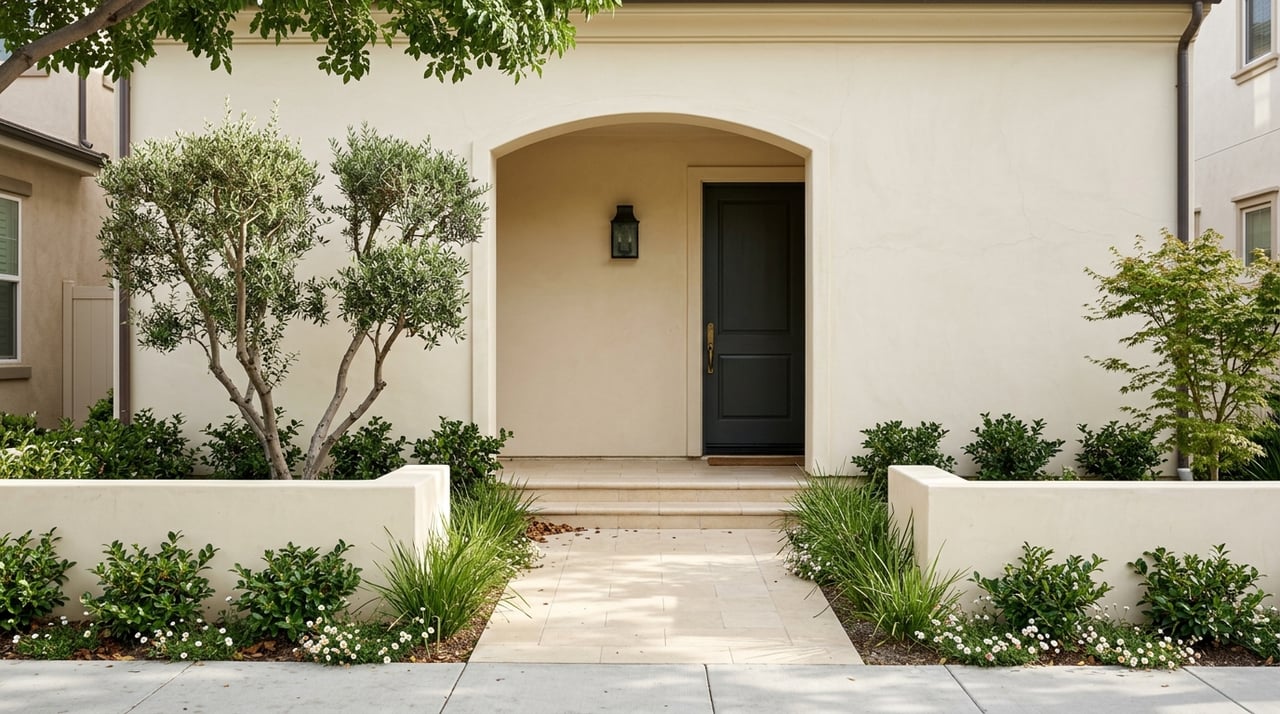
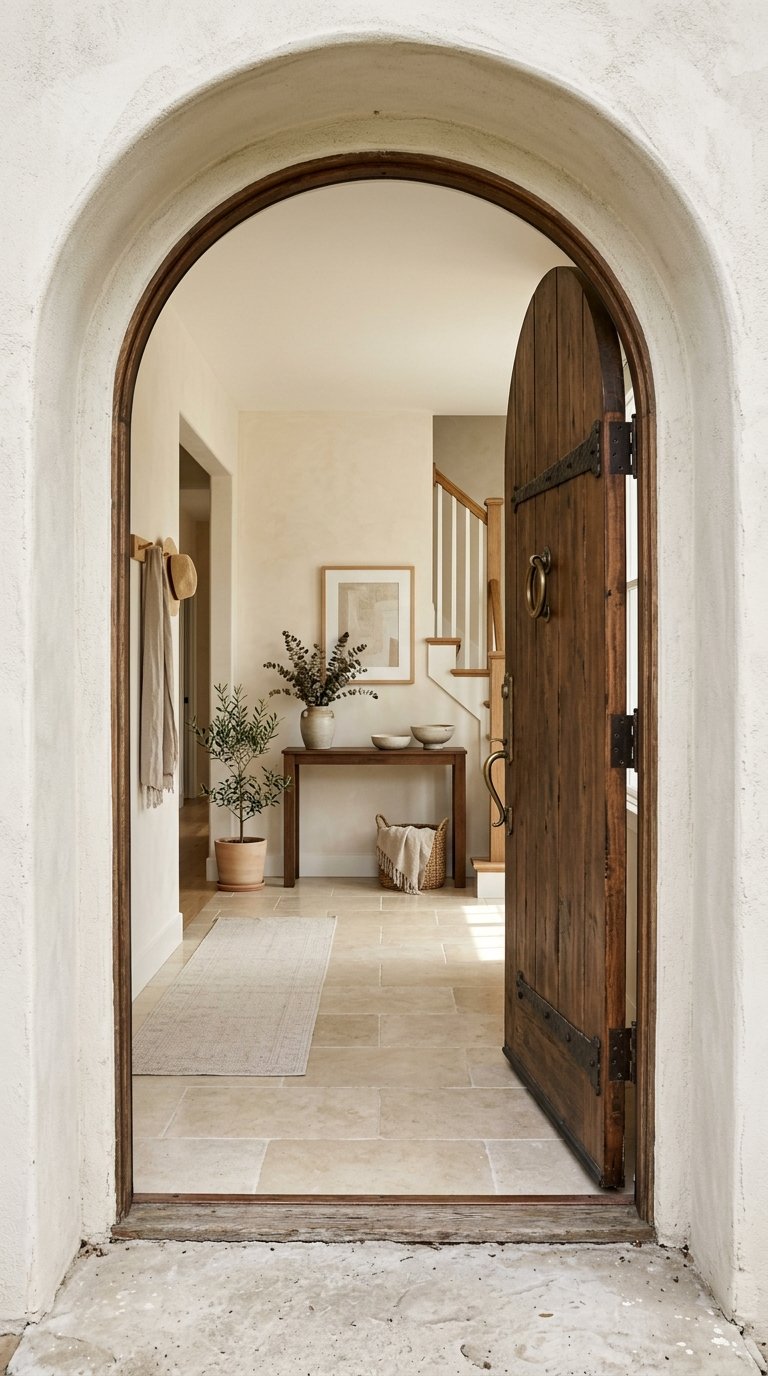
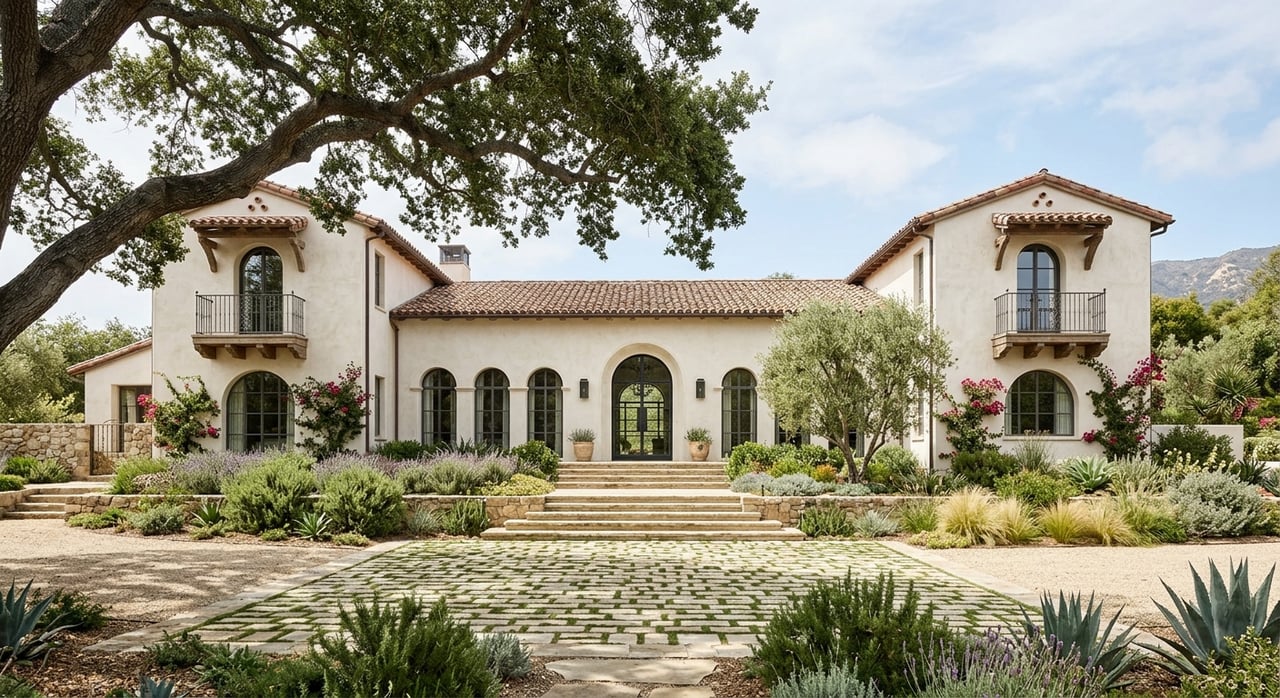
A 2024 Marina context statement highlights textured stucco walls, red clay tile roofs, and wrought-iron details that help create a Spanish, Mexican, or Mediterranean-inspired streetscape. If you are more interested in multifamily housing, condo-style options, or a consistent early 20th-century visual character, the Marina may feel like the better fit.
Union Street in Cow Hollow
Union Street is one of Cow Hollow’s biggest lifestyle anchors. SF Planning describes it as serving nearby residents with convenience goods, specialty shops, restaurants, and bars. It also notes that many restaurants and bars stay open into the evening, along with two movie theaters.
That matters if you want a commercial strip that feels active but still neighborhood-oriented. You can run errands, meet friends, or head out for dinner without feeling like you are stepping into a larger regional destination district.
Chestnut Street in the Marina
Chestnut Street offers a broader mix of uses. SF Planning describes the corridor as serving both neighborhood and citywide needs, with restaurants, bars, bakeries, clothing stores, beauty shops, and banks among the commercial uses. Planning records also note 50 cafes, restaurants, and bars serving food within the NC-2 district at the time of the filing.
For daily life, that usually translates to more variety for casual dining, takeout, quick errands, and spontaneous meetups. If you like having a busier commercial strip with a wider range of options close by, the Marina has the edge.
Parks and Open Space Access
When open space is a top priority, the Marina stands out. San Francisco Recreation and Parks describes Marina Green as stretching between Fort Mason and the Presidio, with views of the Golden Gate Bridge, Alcatraz, and Angel Island. It is also described as a popular place for runners, athletes, and casual picnickers.
The National Park Service adds that Fort Mason’s Great Meadow connects to Marina Green and onward to the Crissy Field promenade and the Golden Gate Bridge. With Marina Green, Fort Mason, the Palace of Fine Arts, and Moscone Park Playground nearby, the Marina offers a concentrated cluster of major outdoor destinations.
Family Routines in Cow Hollow
Cow Hollow may be especially appealing if your routine centers on residential blocks, local errands, and a smaller neighborhood park. San Francisco Recreation and Parks describes Cow Hollow Playground as a small, tree-covered park one block from Union Street shops. It is designed for toddlers and young school-age children.
That setup can work well if you want a playground woven into everyday neighborhood life rather than a destination-style park experience. For some buyers, being able to pair a quick park stop with a nearby coffee, grocery run, or other errand is exactly the kind of convenience that matters most.
Transit and Getting Around
Both neighborhoods are well served by transit. SFMTA’s Marina neighborhood page currently lists routes including the 22 Fillmore, 30 Stockton, 30X Marina Express, and 45 Union/Stockton. The broader takeaway is that neither area is cut off from the rest of the city.
Still, commute decisions should be checked against live service patterns and your actual destination points. Two homes that look close on a map can support very different routines depending on the route you use most often.
Which Neighborhood Fits Your Lifestyle?
The best choice usually comes down to what you want more of every day.
Choose Cow Hollow if you value:
- Classic San Francisco houses and period architecture
- A more residential, house-rich streetscape
- A quieter neighborhood-block feel
- Easy access to Union Street for dining and errands
- A small local playground integrated into daily routines
Choose the Marina if you value:
- Bigger open spaces and waterfront access
- A flatter, more open-feeling street grid
- More flats, apartments, and condo-style housing options
- A more active Chestnut Street social scene
- Easy access to Marina Green, Fort Mason, and other outdoor destinations
Final Takeaway
Cow Hollow and the Marina are close neighbors, but they do not live the same way. Cow Hollow tends to suit buyers who want historic homes, a more residential setting, and a neighborhood-centered pace. The Marina tends to fit buyers who want more outdoor access, a broader mix of everyday commercial options, and a livelier social rhythm.
If you are deciding between the two, it helps to look beyond price and square footage and focus on how you want your mornings, evenings, and weekends to feel. That is often where the right neighborhood becomes clear.
If you want thoughtful guidance on buying or selling in Cow Hollow or the Marina, Michelle Harris Properties offers local, relationship-driven support with the market insight and discretion these neighborhoods often require.
FAQs
Which San Francisco neighborhood is better for classic houses, Cow Hollow or the Marina?
- Cow Hollow is generally the stronger fit if you want older, house-rich San Francisco architecture, including Victorian, Edwardian, and other period styles noted by SF Planning.
Which neighborhood has better park and waterfront access, Cow Hollow or the Marina?
- The Marina has the edge for open space, with access to Marina Green, Fort Mason, the Palace of Fine Arts, Moscone Park Playground, and connections toward Crissy Field and the Golden Gate Bridge.
Which neighborhood is better for a quieter residential feel in northern San Francisco?
- Cow Hollow is usually the better match if you prefer quieter residential blocks with a neighborhood-serving commercial strip nearby.
Which neighborhood has more dining and casual hangout options, Cow Hollow or the Marina?
- The Marina generally offers more variety along Chestnut Street, while Cow Hollow’s Union Street provides a more compact, neighborhood-oriented mix.
Which neighborhood may suit families wanting a small local playground near shops?
- Cow Hollow may be a good fit for that lifestyle because Cow Hollow Playground is a small, tree-covered park located close to Union Street errands and dining.