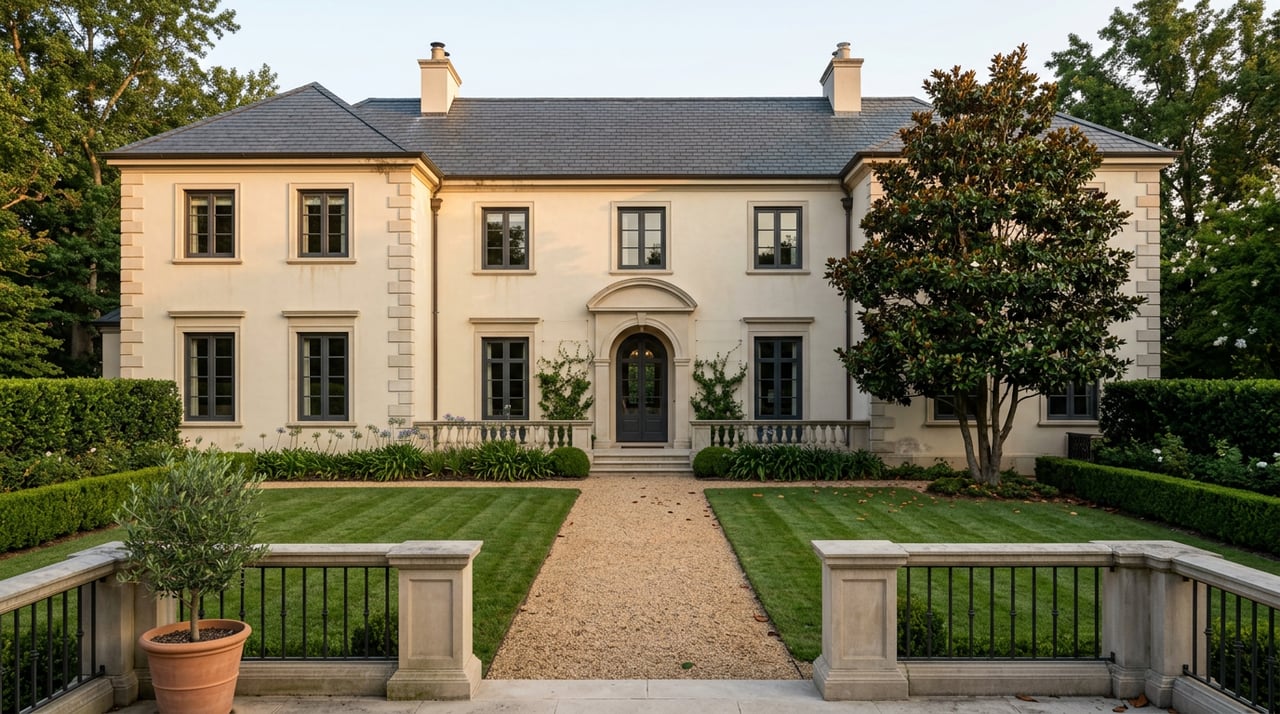
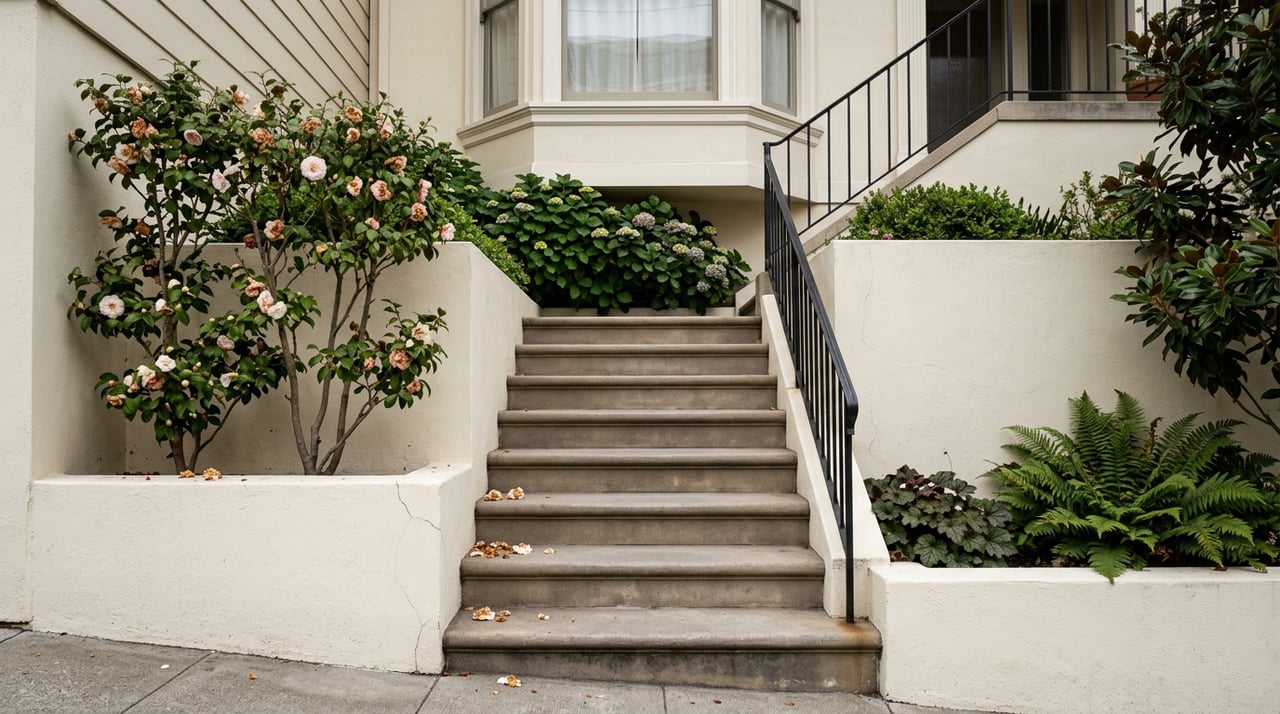
If you want more space in San Francisco without giving up everyday convenience, Lone Mountain deserves a closer look. For many buyers, the challenge is finding a neighborhood that balances room to grow, access to parks, practical transit, and a realistic path into a competitive city market. This guide will walk you through what Lone Mountain offers for families, how school planning works here, and why this neighborhood stands out for city living. Let’s dive in.
Is Lone Mountain Right for San Francisco Families?
Lone Mountain sits within one of San Francisco’s neighborhood planning areas, and the University of San Francisco plays a major role in the area’s identity. The main campus at 2130 Fulton Street and Lone Mountain Hall at 2800 Turk Boulevard and 330 Parker Avenue give the neighborhood an active, university-adjacent rhythm.
That matters because Lone Mountain does not feel like a purely residential pocket cut off from the city. Instead, you get a neighborhood shaped by both everyday residential life and a built-in institutional presence. For buyers who want an urban environment with real daily functionality, that mix can be appealing.
SF Planning data also shows that Lone Mountain/USF has a blend of households and life stages. The area had 18,070 residents and 6,520 households, with 42% family households and 17% of households including children. At the same time, the median age was 31.5, and 48% of residents were between 18 and 34, which points to a neighborhood with a broad mix of residents rather than one single dominant lifestyle.
Housing in Lone Mountain
One of the first things to understand about Lone Mountain is that its housing stock is more multi-unit than detached-home heavy. According to SF Planning, 44% of structures are 2-to-4-unit buildings, 18% are 5-to-9-unit buildings, 13% are 10-to-19-unit buildings, and 13% are single-family homes.
That means your search may include condos, flats, and multi-unit building residences alongside single-family options. If you are looking for a traditional detached house, inventory may feel more limited than in neighborhoods built around larger lots. But if your priority is usable square footage in a well-located part of the city, Lone Mountain can still offer compelling choices.
Family-sized layouts are present, even if they are not the majority. SF Planning reports that 22% of homes have 3-to-4 bedrooms, which gives buyers a meaningful number of options for extra sleeping space, a home office, or flexible rooms as household needs change.
The neighborhood’s median year built is 1956, so the housing mix often reflects mid-century and older San Francisco construction. For buyers, that can mean a wider range of architectural styles, layouts, and levels of updating. It also reinforces the importance of evaluating each property on its own merits rather than assuming the entire neighborhood offers one housing type.
Parks and outdoor access nearby
For many families, park access can shape the whole feel of daily life. Lone Mountain benefits from its proximity to Golden Gate Park, one of San Francisco’s most significant recreation resources.
San Francisco Recreation and Parks describes Golden Gate Park as a 1,017-acre park with five playgrounds, major recreation facilities, and the Koret Children’s Quarter. That kind of nearby outdoor access can make weekends easier and after-school time more flexible, especially when you want options beyond your immediate block.
Another useful nearby resource is Angelo J. Rossi Playground at 2 Willard North. Rec and Park lists an accessible children’s play area, playground, pool, tennis courts, picnic area, and restrooms there. For households with young kids, older kids, or both, having a range of recreation choices close by can be a real advantage.
Transit and getting around the city
A big part of Lone Mountain’s appeal is that you can maintain a city-first lifestyle. If your routine depends on public transit, school drop-offs, work commutes, or older kids moving around independently, this neighborhood offers meaningful support.
SFMTA reports that the 5 Fulton runs 24 hours a day, the 31 Balboa operates daily from 5 a.m. to 10 p.m., and the 38 Geary also runs 24 hours a day. For Lone Mountain-area access, the 38 Geary stops at Geary Boulevard and Arguello Boulevard and at Geary Boulevard and Masonic Avenue are especially useful.
Walkability also adds to the neighborhood’s practicality. Redfin gives Lone Mountain a Walk Score of 92, a Transit Score of 71, and a Bike Score of 79. While every household uses the city differently, those numbers suggest that daily errands, transit connections, and independent mobility can be part of everyday life here.
What to know about schools in Lone Mountain
When buyers ask about schools in San Francisco, the most helpful starting point is understanding the process. In SFUSD, attendance-area elementary schools may help a student get assigned to a nearby school if the family requests it, but placement is not guaranteed.
For middle school and high school, SFUSD uses citywide choice processes. The district also states that it includes 72 elementary schools, 13 middle schools, and 14 high schools. That means families considering Lone Mountain should think not only about the home itself, but also about application timing, commute patterns, and how citywide school logistics may fit their household.
This is one reason Lone Mountain can stand out for some buyers. The neighborhood’s walkability, transit access, and central positioning can help support the kind of flexible daily routines that many San Francisco families need, especially as children get older and schedules become more complex.
Space, price, and relative value
In San Francisco, “value” is always relative, especially among nearby neighborhoods with strong demand. Recent Redfin data suggests Lone Mountain can offer a more approachable entry point than some of its close-in peers.
In March 2026, Lone Mountain’s median sale price was $1.86 million. In the same snapshot, Laurel Heights-Jordan Park posted a median of $2.125 million, while Presidio Heights came in at $7.56 million. Those numbers came from a small number of sales, so exact medians can shift, but the broader comparison still points to Lone Mountain as the lower-priced option among the three.
That does not mean it is an easy market. Redfin reported that homes in Lone Mountain sold in about 13 days, and 60% sold above list price. So while buyers may find relative pricing advantages compared with nearby premium neighborhoods, they should still be prepared for competition.
Who Lone Mountain fits best
Lone Mountain tends to fit buyers who want city convenience and room to adapt, rather than a suburban-style experience. The area’s housing mix, university presence, and resident profile create a neighborhood that feels layered and active.
For families, that can be a strength. You may find the combination of park access, transit options, walkability, and family-sized housing more compelling than a search focused only on detached homes. If your goal is to stay connected to the city while still making space for changing household needs, Lone Mountain is worth serious consideration.
It can also appeal to buyers comparing nearby neighborhoods north of California Street and looking for a more attainable path into this part of San Francisco. The trade-off is that you may need to be flexible on housing type or wait for the right layout to come to market.
Final thoughts on Lone Mountain
Lone Mountain is not trying to be a secluded, single-use family enclave. Its appeal is different. It offers a city-centered lifestyle with practical transit, access to major green space, a real mix of housing, and pricing that may look more approachable than some nearby neighborhoods.
If that combination matches how you want to live, the neighborhood can make a lot of sense. The key is to evaluate it with a clear understanding of the housing mix, the school enrollment process, and the pace of the local market. When you do, Lone Mountain often stands out as a smart option for buyers who want both space and city convenience.
If you are weighing Lone Mountain against nearby San Francisco neighborhoods and want a more tailored view of pricing, inventory, and off-market possibilities, Michelle Harris Properties can help you navigate the search with local perspective and thoughtful guidance.
FAQs
How family-friendly is Lone Mountain in San Francisco?
- Lone Mountain includes 42% family households, has access to major park space nearby, and offers strong walkability and transit, which can support a practical city lifestyle for many households.
What kind of homes are common in Lone Mountain?
- The housing stock is mostly multi-unit, including many 2-to-4-unit buildings, with fewer single-family homes. Family-sized layouts do exist, and 22% of units have 3 to 4 bedrooms.
How do school assignments work near Lone Mountain?
- In SFUSD, attendance-area elementary schools may help with nearby placement if requested, but there is no guarantee. Middle schools and high schools use citywide choice processes.
Is Lone Mountain more affordable than Jordan Park or Presidio Heights?
- Recent Redfin data suggests Lone Mountain has a lower median sale price than Laurel Heights-Jordan Park and much lower pricing than Presidio Heights, though small sales counts can cause monthly medians to move around.
Is Lone Mountain easy to get around without a car?
- The neighborhood benefits from 24-hour 5 Fulton and 38 Geary service, daily 31 Balboa service, and strong walkability, transit, and biking scores, which can support car-light living for many residents.