If you are drawn to the Marina, you are probably picturing classic San Francisco charm, easy access to the waterfront, and a polished neighborhood feel that is hard to replicate elsewhere. What many buyers discover, though, is that Marina condo shopping is less about finding the prettiest unit and more about understanding the building behind it. If you know what to review before you write an offer, you can move forward with much more confidence. Let’s dive in.
What Marina condos usually look like
The Marina’s housing stock helps explain why condo options here feel different from newer parts of the city. San Francisco Planning describes the neighborhood as a mix of houses, duplexes, scattered apartment buildings, and low-rise structures, with commercial activity centered along Chestnut and Lombard.
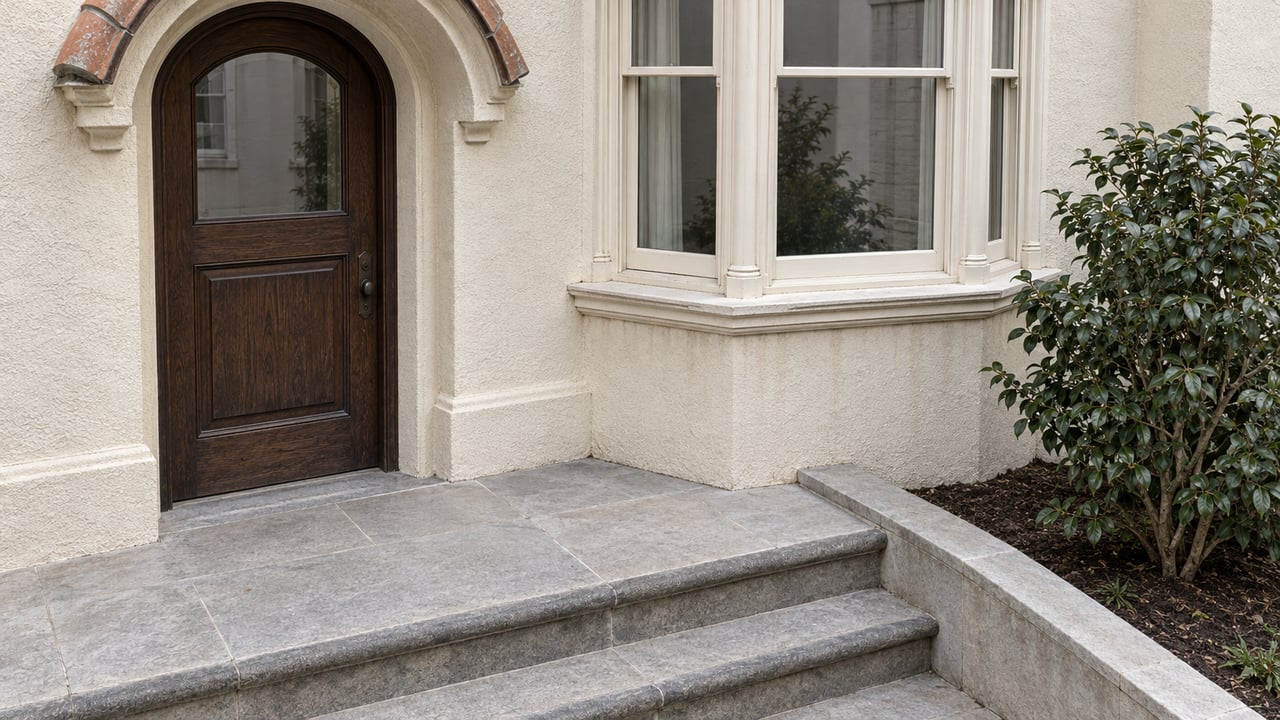
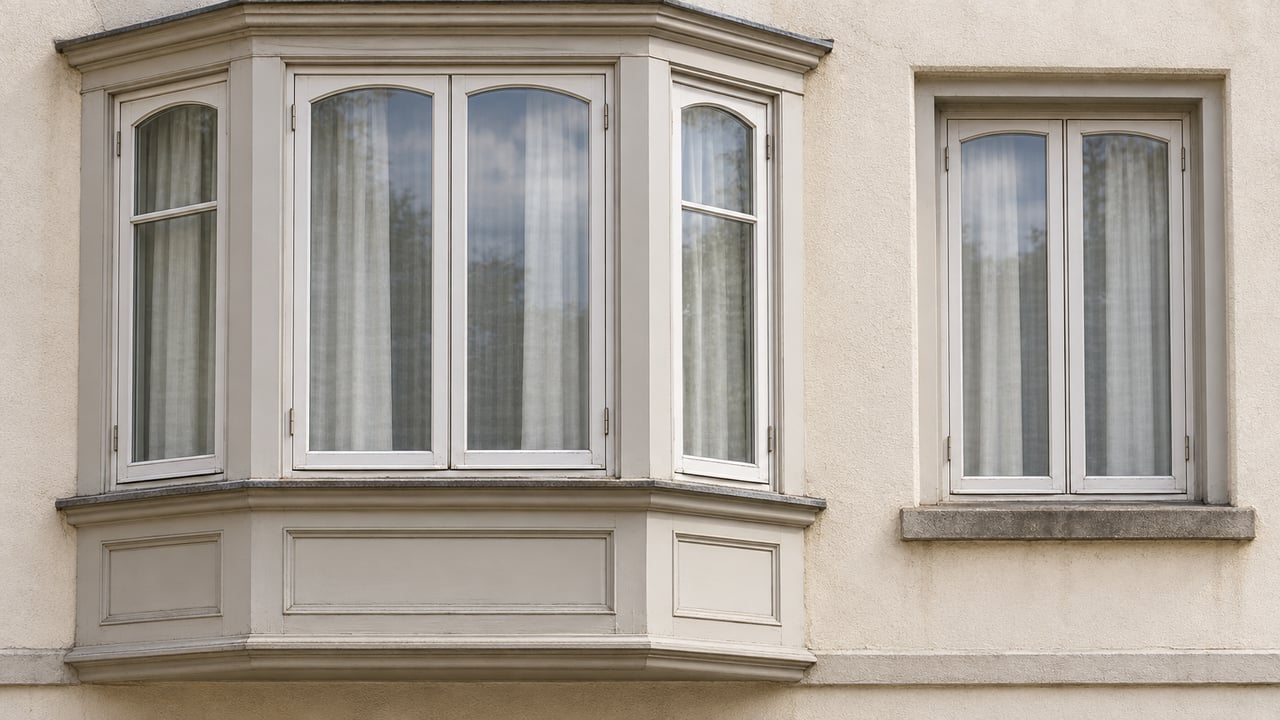
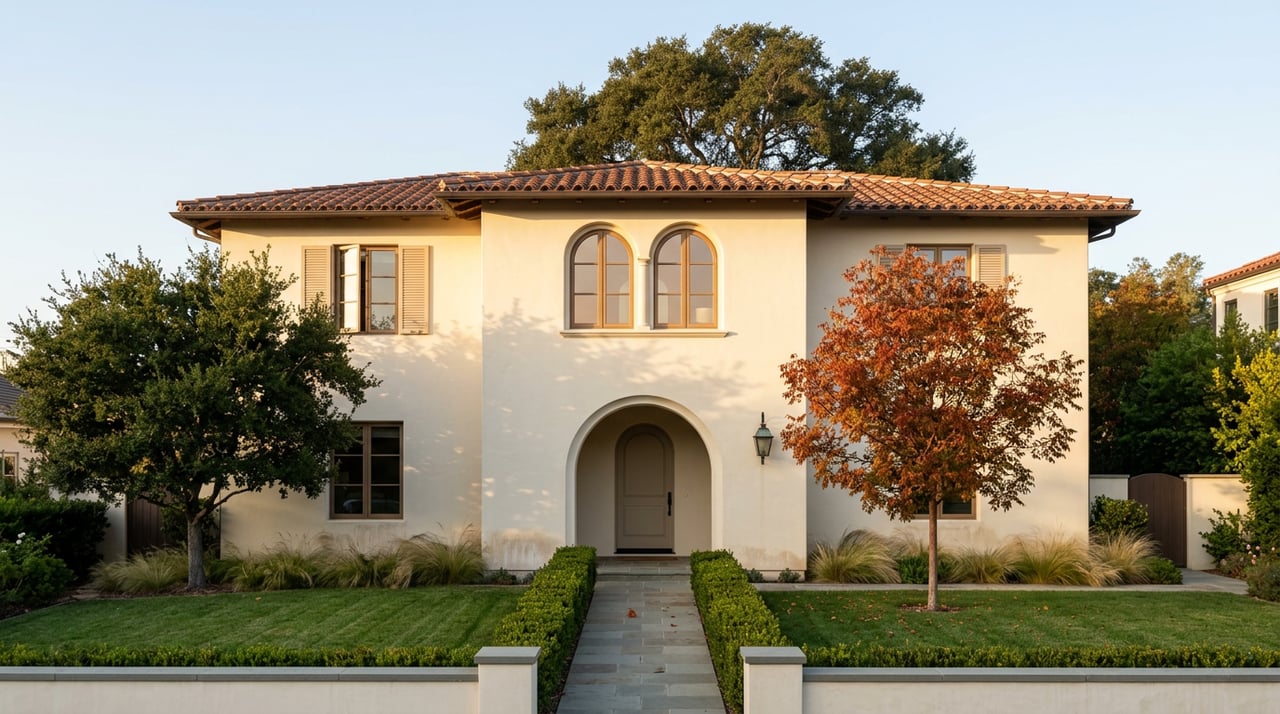
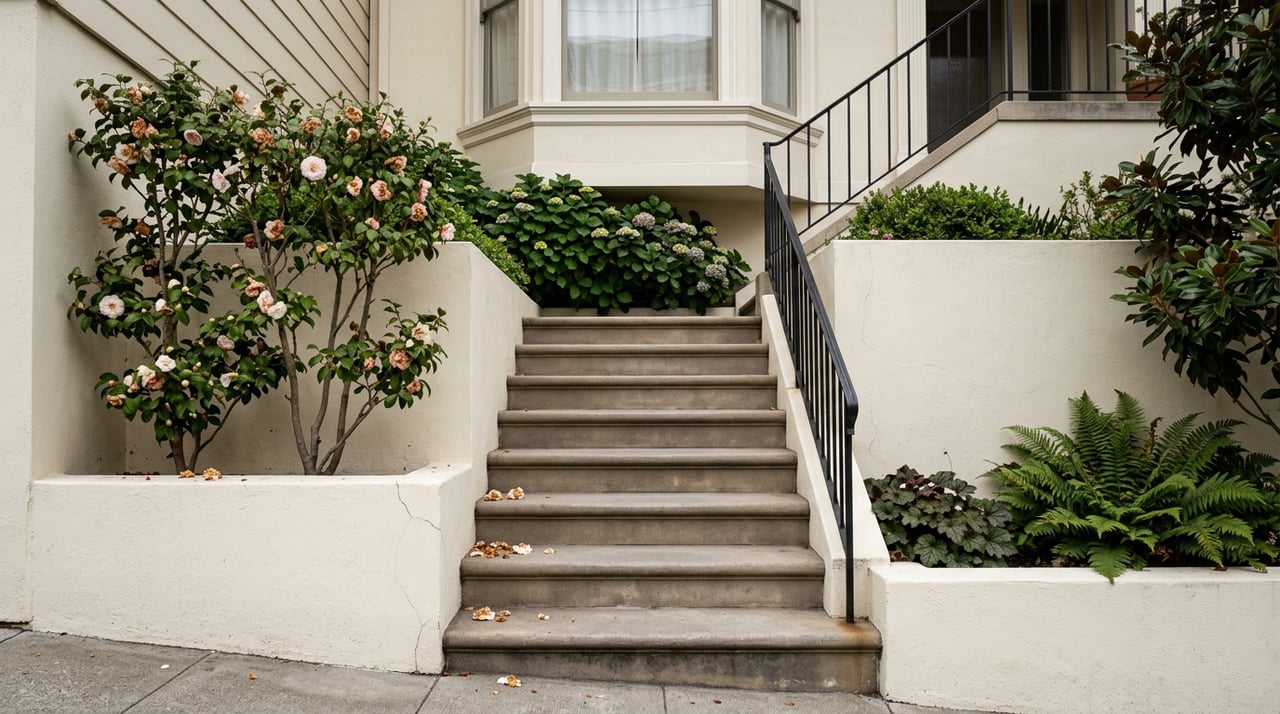
For you as a buyer, that often means condos in converted flats, small walk-up buildings, or low-rise multi-unit properties instead of full-service high-rise towers. Many buildings reflect period architecture, including Mediterranean Revival and Spanish Eclectic styles, which adds character but can also mean more variation from one property to the next.
That variation matters. Two condos with similar square footage may feel very different depending on stairs, garage layout, storage, shared walls, and how the homeowners association divides maintenance responsibilities.
Why building type matters
In the Marina, lower-rise living can be part of the appeal. You may get better natural light, a more residential setting, and architectural details that feel more distinctive than what you would find in a newer amenity building.
At the same time, older and smaller buildings usually require more careful review. You will want to confirm basic but important details like whether the building has an elevator, how many units are in the HOA, what parking actually looks like, and which systems or exterior components the HOA is responsible for maintaining.
California reserve study rules focus on the major components the HOA must repair, replace, restore, or maintain. That makes it especially important to understand where HOA responsibility ends and where your responsibility begins.
Seismic risk deserves close attention
This is one of the most important parts of buying a Marina condo. San Francisco’s Safety and Resilience guidance notes that the Marina became a well-known example of compounded earthquake and liquefaction risk because portions of the neighborhood were built on landfill and other loose or saturated soils.
The same city guidance notes that soft-story failure accounted for nearly half of the homes made uninhabitable in the 1989 Loma Prieta earthquake. In practical terms, that means building condition and structural history are not side issues here. They are central to your due diligence.
If you are looking at an older low-rise building, especially one with parking or large garage openings at the ground level, you should pause and ask more questions. A beautiful unit does not erase building-level risk.
What soft-story means for Marina buyers
San Francisco’s mandatory soft-story ordinance applies to certain wood-frame buildings with five or more residential units, built before January 1, 1978, with two or more stories over a soft story. The city notes that soft-story conditions are often associated with garage openings or ground-floor parking.
Because Marina buildings are among the neighborhoods where soft-story properties are concentrated, you should ask for the building’s soft-story screening result, retrofit status, permit history, and any completion certificate. If the building was not included in the city’s mandatory program, that does not automatically mean it has no seismic risk. It simply means it falls outside that specific ordinance.
What to look for in disclosures
When you review a listing packet, pay attention to signs that a building may need deeper structural review. That can include a first level dominated by parking, a location on fill, or reserve documents that show deferred exterior or structural work.
Soil conditions also matter in areas subject to liquefaction. In the Marina, that is one more reason to treat the building itself as seriously as the unit finishes.
Read HOA documents in the right order
For many condo buyers, HOA documents feel overwhelming at first. The good news is that if you read them in the right sequence, you can usually get to the key issues quickly.
California law requires a condo seller to provide governing documents, the latest annual budget report, and a written statement covering current regular and special assessments, unpaid assessments, fines, and certain collection costs. If requested in writing, the association must provide the requested disclosure documents within 10 days and may charge a reasonable fee based on actual cost.
The annual budget report carries a lot of value. Under California law, it must include the operating budget, reserve summary, reserve funding plan, any deferral of major repairs or replacements, whether special assessments are anticipated, how reserves are funded, any association loans, an insurance summary, and the project’s FHA and VA approval status.
Start with reserves
Your first stop should be the reserve summary and reserve funding plan. These documents can tell you whether the HOA appears to be planning responsibly for future repairs or simply keeping dues low while pushing problems into the future.
Reserve studies must be based on a visual inspection at least once every three years, and the board must review the study annually. The reserve summary must also note whether the association expects to need one or more special assessments to repair, replace, or restore major components.
That line is worth your full attention. In a neighborhood with many older low-rise buildings, deferred work can become expensive quickly.
Watch for special assessments
California Civil Code generally limits boards from imposing special assessments above 5 percent of the budgeted gross expenses for that fiscal year without owner approval by a majority of a quorum. For you, the practical takeaway is simple: low monthly dues are not always a bargain if the building is underfunded.
A condo with modest dues but weak reserves may lead to a larger capital call later. That is why it is smart to compare today’s dues with the reserve position, deferred maintenance notes, and any mention of future assessments.
Review insurance carefully
The insurance summary in the annual budget report should list property, general liability, earthquake, flood, and fidelity coverage, along with policy limits and deductibles. California law also makes clear that HOA insurance may not cover your personal property or interior improvements, and owners may be responsible for all or part of a deductible.
This is especially important in the Marina, where building age and site conditions can make earthquake-related questions more than theoretical. You will want a clear understanding of what the HOA carries and what gaps you may need to address on your own.
A practical condo document checklist
Before you commit to a Marina condo, focus on these items first:
- Reserve summary
- Reserve funding plan
- Any note about deferred major repairs or replacements
- Anticipated special assessments
- Outstanding HOA loans
- Insurance coverage and deductibles
- FHA or VA approval status, if your financing could depend on it
- Soft-story screening, permit history, retrofit status, and completion records when applicable
This review process can tell you a great deal about whether a building is being managed proactively or reactively.
Lifestyle trade-offs are real in the Marina
The Marina’s appeal is easy to understand. You get a neighborhood with waterfront proximity, a defined commercial core, and a strong sense of place. But the day-to-day experience can vary more than buyers expect from one block to the next.
San Francisco’s climate is shaped by microclimates, and the city’s northern shoreline location can mean cooler temperatures, more wind, and more fog than people expect if they are comparing the Marina with sunnier inland areas. That may be a plus for you, or it may be something you need to experience in person before deciding.
Chestnut Street also changes the feel of nearby homes. SF Planning describes it as the Marina’s main commercial corridor, with restaurants, retail, mixed-use buildings, and a concentrated five-block core serving the surrounding residential area.
Ask location-specific questions
When you tour a condo, think beyond finishes and floor plan. Ask how the location will feel on a normal weekday, a weekend afternoon, and an evening.
Helpful questions include:
- Does the unit face Chestnut Street or a quieter side street?
- How much street noise reaches the living room or bedroom?
- Does the building feel protected from wind?
- How much direct light does the unit get in summer and winter?
- Is the location close enough to everyday conveniences without feeling too active for your taste?
In the Marina, orientation matters. Two blocks can create a very different living experience.
The smartest Marina purchase mindset
A Marina condo can be a wonderful fit if you appreciate architectural character, low-rise living, and a neighborhood with both residential charm and easy access to shops and the waterfront. But this is not a market where you want to buy only with your eyes.
The strongest purchase decisions usually come from balancing lifestyle appeal with building-level clarity. When the documents are strong, the reserve picture is understandable, and the seismic and insurance questions have been answered, you are in a much better position to commit with confidence.
If you are considering a condo in the Marina and want a thoughtful, building-by-building perspective, Michelle Harris Properties can help you evaluate both the home and the details behind it with the care this neighborhood deserves.
FAQs
What should you review before buying a Marina condo?
- Start with the HOA reserve summary, reserve funding plan, insurance summary, special assessment history, and any soft-story or retrofit records tied to the building.
What makes Marina condo buildings different from newer condo developments?
- Marina condos are often in converted flats, small walk-ups, or low-rise multi-unit buildings rather than high-rise towers, so details like stairs, storage, parking, and maintenance responsibility can vary more.
What seismic issues matter when buying a condo in the Marina?
- The Marina has documented liquefaction and earthquake risk, and buyers should closely review soft-story screening results, retrofit status, permit history, and any signs of deferred structural work.
What can HOA documents tell you about a Marina condo building?
- HOA documents can show whether reserves are adequate, whether major repairs are being deferred, whether special assessments are anticipated, and what insurance the association actually carries.
What lifestyle factors should you consider when buying in the Marina?
- You should consider microclimate, wind, fog, street noise, the unit’s orientation, and how close the building sits to the Chestnut Street commercial corridor.