Trading city buzz for redwoods and trailheads can feel exciting and uncertain all at once. If you are considering a move from San Francisco to Mill Valley, you likely want more space, easier outdoor access, and a calmer daily rhythm without losing a workable commute. This guide gives you practical, real-world expectations for 94941 living, including commute options, outdoor access, town centers, housing types, and how long common upgrades really take. Let’s dive in.
Relocating to Mill Valley from San Francisco: What to Expect
You trade higher-density city blocks for quiet, lower-density neighborhoods and a compact, walkable downtown. Single-family homes and larger yards are more common, and you will be closer to open space on the east slope of Mount Tamalpais. You should also expect to use a car more often for errands, with short drives to parks, trailheads, and nearby shopping areas.
Mill Valley sits within Marin County. Public schools are served by the Mill Valley School District for elementary and middle grades and the Tamalpais Union High School District for high school. For many residents, the nearest full-service hospital is in the Greenbrae and San Rafael area. Hillside topography means some neighborhoods face higher wildfire and landslide risk, so it pays to review local defensible-space rules and evacuation routes.
Commute options to San Francisco
Your best commute depends on your schedule, school drop-offs, and how often you need to go into the city. Many families mix methods throughout the week.
Driving via US 101 and the Golden Gate Bridge
Driving is the most common route to downtown San Francisco. Off-peak, the drive can take about 25 to 45 minutes. During peak windows, plan for 40 to 75 minutes or more, depending on your exact starting point and traffic conditions. Bridge tolls are collected electronically, and rates change, so check the bridge authority for current pricing. If you drive daily, consider a carpool to reduce time and cost.
Golden Gate Transit bus service
Bus routes connect Marin to San Francisco with peak-time express options. Door-to-door, transit trips usually run 45 to 75 minutes depending on transfers and wait times. If your workplace is near a downtown stop, the bus can be a predictable choice that avoids bridge parking and traffic stress.
Ferry from Larkspur with a short drive or shuttle
The Larkspur Ferry ride to the Ferry Building is about 30 to 35 minutes. Add time to get to the terminal, park or get dropped off, and connect on the San Francisco side. Parking can fill early on weekdays, so many commuters use shuttles, carpools, or drop-off plans. Schedules vary by season and time of day.
Bike, carpools, and hybrid work
Mill Valley is well suited for recreational cycling, and some commuters bike to a park-and-ride or a ferry connection. Longer bike commutes into San Francisco are possible but hilly and challenging. Many Marin professionals use carpools or hybrid work schedules to limit daily trips, especially when balancing school logistics.
Outdoor access and trails
You will be minutes from some of the Bay Area’s most loved landscapes. Trail difficulty varies from stroller-friendly loops to steep ridge climbs.
Mount Tamalpais and coastal routes
Mount Tamalpais State Park offers panoramic ridgelines, picnic areas, and extensive trails. Popular routes include the Dipsea Trail, Matt Davis, and Old Railroad Grade for point-to-point hikes and views. Tennessee Valley and the Miwok Trail deliver coastal scenery with beach access.
Muir Woods and local parks
Muir Woods National Monument features old-growth redwoods and accessible boardwalks. Reservations and parking policies are enforced, and weekends fill quickly. Within town, you will find Cascade Falls, Homestead Valley green spaces, and small neighborhood parks that many families walk to.
Smart planning for families
Weekends bring crowds to major trailheads. Plan ahead for reservations where required, arrive early for parking, and check for seasonal closures or maintenance. Fog and microclimates change conditions quickly, so pack layers and water.
Town centers, schools, and services
Downtown and nearby shopping hubs
Mill Valley’s downtown core near Throckmorton and Miller is a walkable cluster of cafes, restaurants, boutique shops, and a small market. Community events and farmers’ markets are common. Larger retail and grocery options are a short drive away in Corte Madera, Larkspur, and Tiburon.
Schools and childcare
Public schools are within the Mill Valley School District and Tamalpais Union High School District. If schools are a priority, request current boundary maps and enrollment timelines. There are several local preschools and independent schools in and around Mill Valley.
Healthcare and safety
Many residents use MarinHealth in the Greenbrae and San Rafael area for hospital and acute care. Local urgent care clinics are available in southern Marin. Because hillside neighborhoods have specific evacuation routes and defensible-space requirements, review local fire protection guidance as part of your home search and yearly maintenance.
Day-to-day living tradeoffs
Expect a calmer nightlife than San Francisco, balanced by a lively arts and music scene and family-friendly events. Some neighborhoods have limited curb parking, single-car driveways, or street parking only. Plan your daily routes to grocery stores, pharmacies, and childcare to save time.
Housing in 94941: what to expect
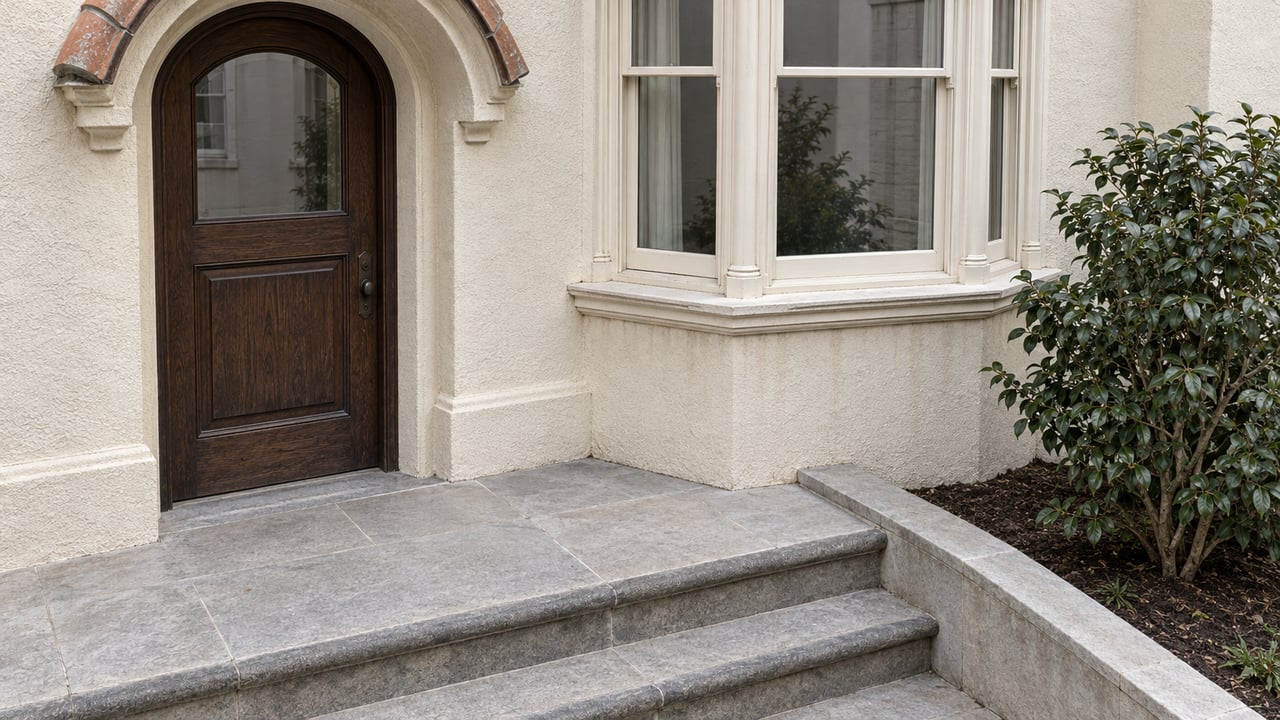
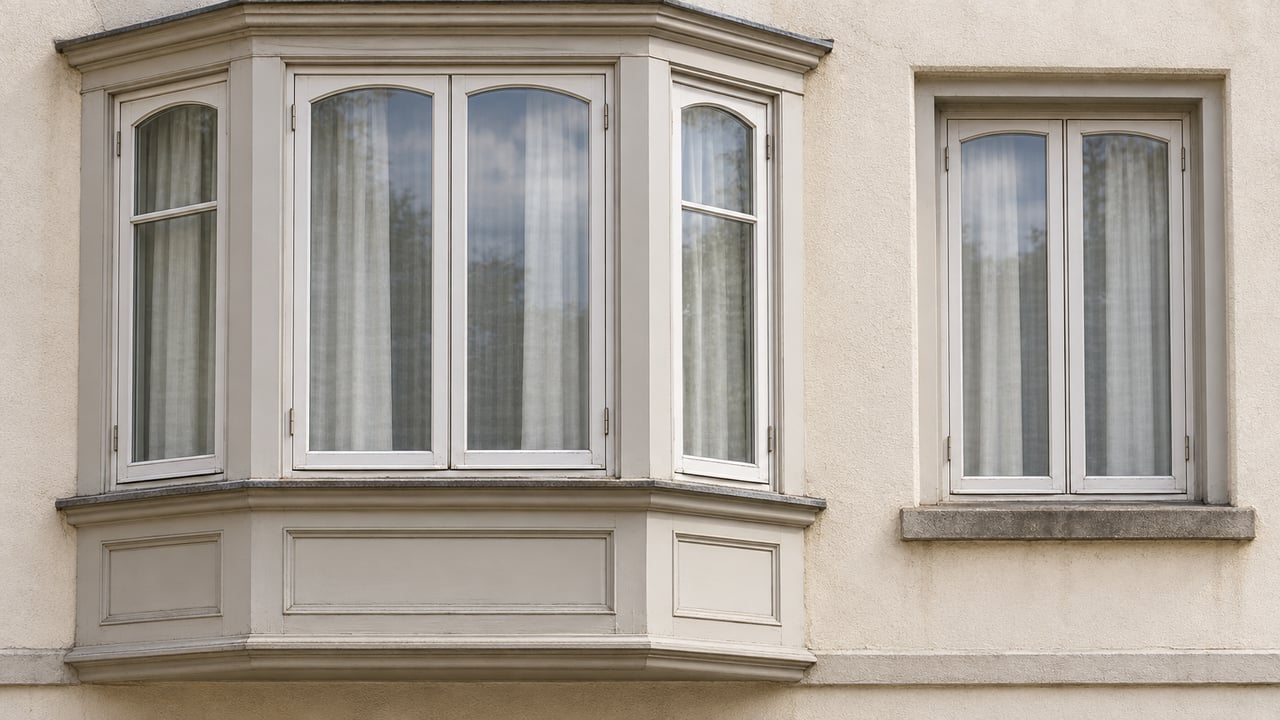
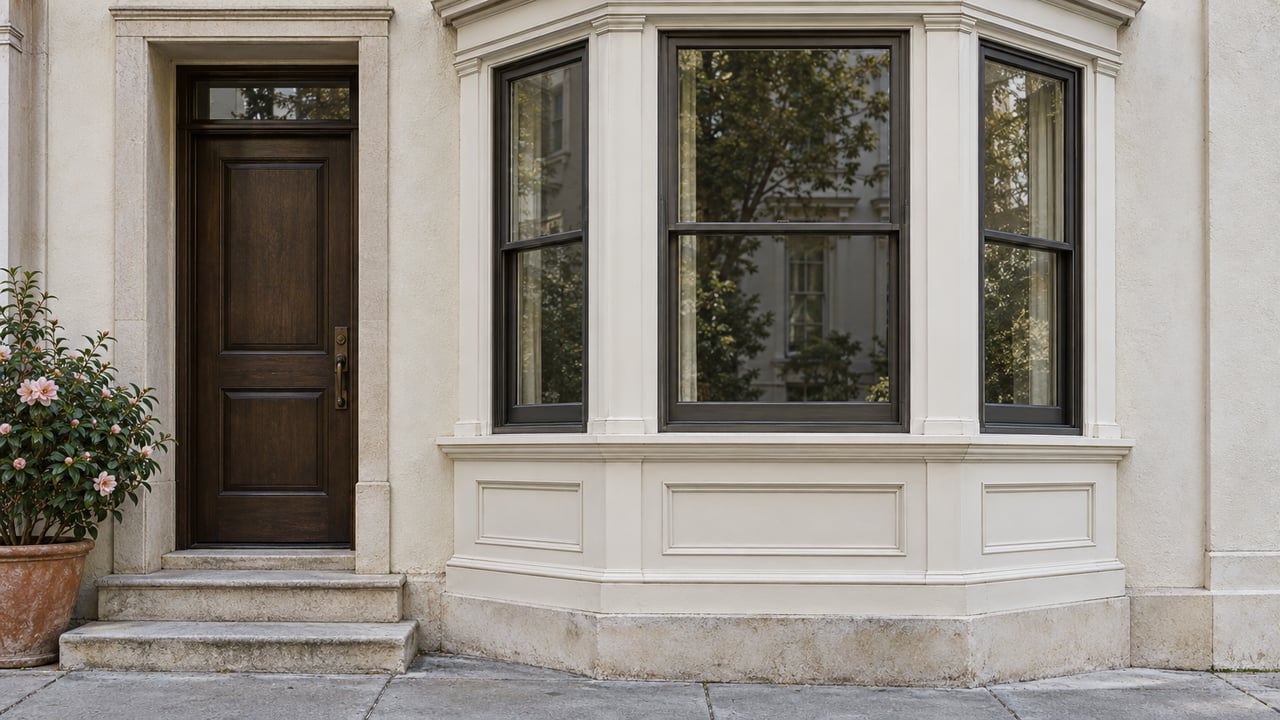
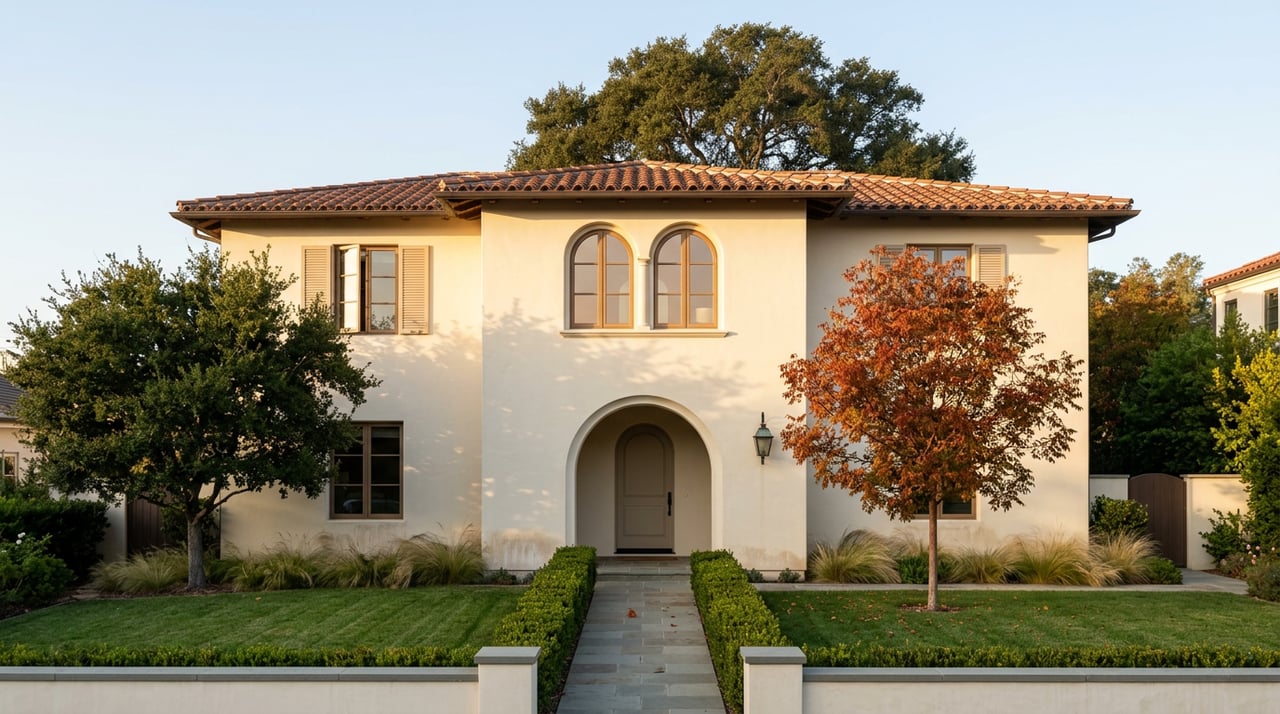
Mill Valley’s housing stock is primarily single-family homes on varied lot sizes. You will see Victorian and Edwardian cottages, Craftsman bungalows, mid-century ranches, Mediterranean-influenced styles, and modern renovations. Condos and townhomes exist but make up a smaller share of the market compared with detached homes.
Hillside properties are common and can shape your ownership costs and project plans. Sloped lots often require engineered foundations, retaining walls, and sometimes geotechnical reports for additions. Drainage, access, and parking should be part of your evaluation.
Permitting and realistic project timelines
If you plan upgrades, Mill Valley and Marin jurisdictions offer clear paths, but timelines vary with scope, season, and completeness of your plans. Below are typical ranges to help you plan.
Cosmetic refresh
Minor interior updates like paint and flooring usually do not require permits. If you are swapping mechanical, plumbing, or electrical fixtures, permits and licensed contractors are typically required. Expect planning and execution in 2 to 6 weeks for quick refreshes.
Kitchens and bathrooms
Kitchen or bath remodels with plumbing or electrical changes require building, plumbing, and electrical permits. Plan checks commonly take 3 to 8 weeks before permits are issued. Once approved, construction often runs 4 to 10 weeks depending on scope and contractor availability.
Windows, roofs, decks, and exterior work
Window, door, and roof replacements typically need over-the-counter or online permits with plan checks for code compliance. Reviews can take 2 to 6 weeks. Decks, fences, and exterior stairs may need permits based on height, footprint, and location near property lines or slopes. Allow 2 to 8 weeks, longer if you need engineered or geotechnical plans.
ADUs and major additions
California has streamlined permitting for many Accessory Dwelling Units, and complete ministerial applications are commonly reviewed within 60 to 90 days. Site constraints like slope, setbacks, and utility connections still matter. For ADUs, a typical total timeline from planning to completion is 6 to 12 months. Major additions on hillside lots often need full plan sets, structural calculations, and geotechnical reports. Plan review can take 1 to 4 months, with design and engineering often 2 to 6 months, and construction 4 to 12 months or more.
How to minimize delays
- Engage a local architect or contractor early and request a pre-application meeting.
- Submit complete permit packages. Missing documents are the most common cause of delays.
- Confirm utility capacity and connection needs early, including sewer versus septic and electrical service for EV charging or solar.
- Factor seasonal workloads at building departments and among contractors.
- Budget time for any required neighbor notifications.
A practical moving timeline
- 2 to 8 months out: research neighborhoods, set your budget, connect with a local agent, and begin school enrollment research.
- 1 to 3 months out: actively tour homes, complete inspections, and write offers. Once accepted, escrow commonly runs 30 to 45 days.
- At contract: schedule inspections, finalize mortgage approval, and line up short-term storage or temporary housing if needed.
- Closing to move-in, 0 to 2 weeks: book movers, transfer utilities, finalize school enrollment, and move medical records to local providers.
- Planning upgrades: consult the building department and your contractor during escrow so you can submit permits soon after closing.
Quick relocation checklist
- Trial your commute by car, bus, and ferry at the times you expect to travel.
- Request school boundary maps and enrollment timelines. Ask about waitlists.
- Confirm wildfire preparedness steps and evacuation routes for the specific home.
- Map neighborhood essentials, including grocery, pharmacy, pediatrician, and childcare.
- Pull permit history for any home you are considering and ask sellers about recent work.
- Evaluate hillside factors such as drainage, retaining walls, and parking.
Partner with a local, concierge team
Relocating is a life decision, not just a move. You deserve calm, expert guidance on neighborhoods, commute tradeoffs, and a plan for any upgrades. If you want discreet access to both on-market and private opportunities, curated tours, and a timeline that fits your family, connect with Michelle Harris Properties. Request a Private Market Review and start your Mill Valley transition with confidence.
FAQs
How long is the commute from Mill Valley to downtown SF during rush hour?
- Driving commonly takes 40 to 75 minutes or more at peak times. Transit or ferry trips are typically 45 to 75 minutes door-to-door, depending on transfers and waits.
What is the most reliable Marin-to-SF transit option for families?
- Golden Gate Transit buses and the Larkspur Ferry both work well. The best choice depends on your office location, school drop-offs, and schedule flexibility.
What should I know about Mill Valley public schools when moving?
- Public schools are within the Mill Valley School District and Tamalpais Union High School District. Request current boundary maps and enrollment timelines before you buy.
What wildfire and landslide risks should I consider in Mill Valley?
- Hillside neighborhoods can face elevated risk. Review local fire protection guidance, defensible-space requirements, and evacuation routes for any specific home.
How long does a kitchen remodel permit take in Mill Valley?
- Plan checks commonly take 3 to 8 weeks, with total construction often 4 to 10 weeks after permits are issued, depending on scope and contractor availability.
What is a realistic ADU timeline in 94941?
- Many ministerial ADU applications are reviewed within 60 to 90 days when complete. Total planning, permitting, and construction often runs 6 to 12 months.
Is parking available at the Larkspur Ferry for Mill Valley commuters?
- Yes, but lots can fill early on weekdays. Many commuters use shuttles, carpools, or drop-offs to avoid parking constraints.